Rising damp near Botany Bay: sandy ground and high water in bayside St George
Why older brick homes on the sandy, low ground around Botany Bay are prone to rising damp, and how to protect them.
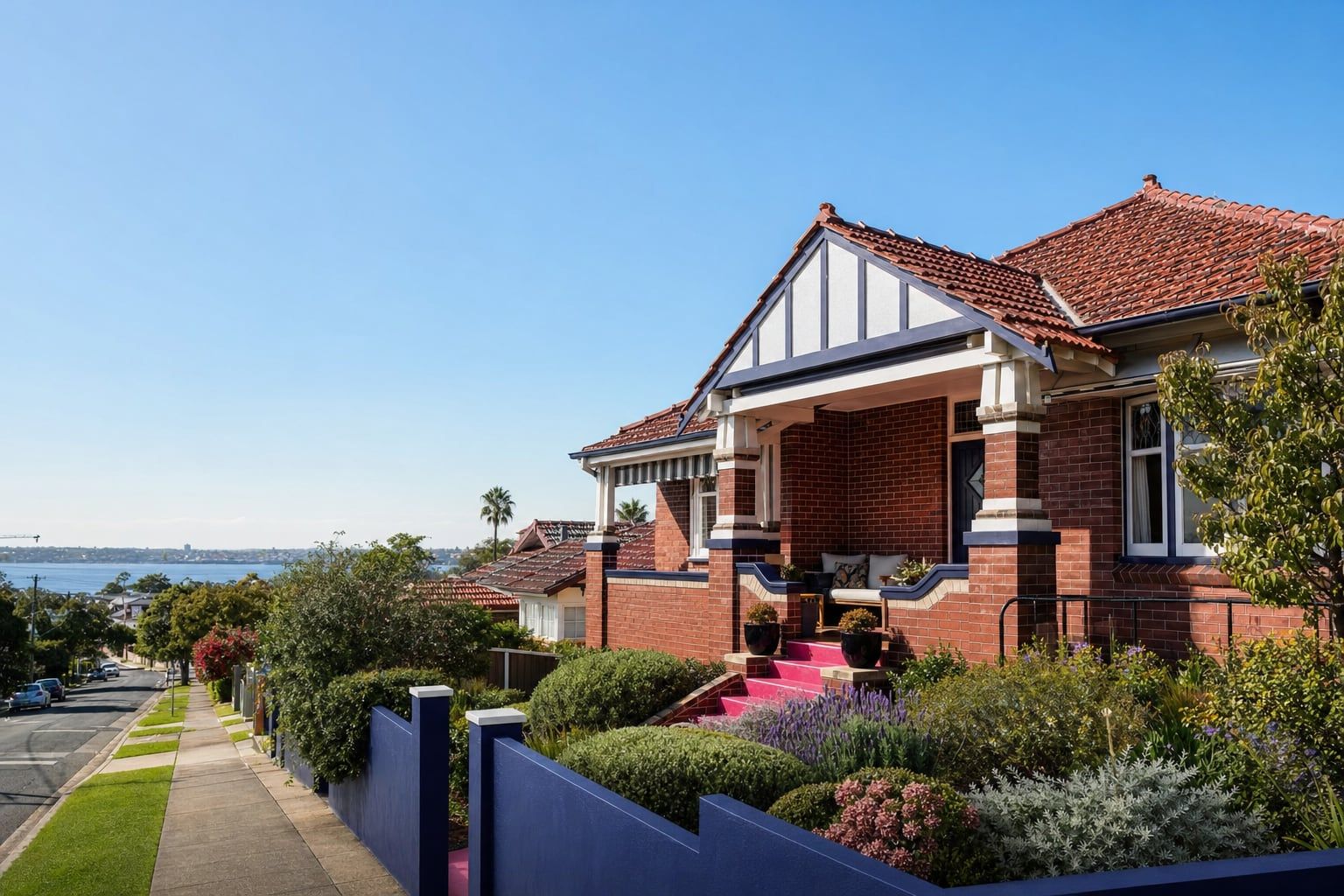
Rising damp near Botany Bay is one of the most consistent damp problems in St George. The bayside suburbs, from Kyeemagh and Brighton-Le-Sands through Monterey, Ramsgate and Ramsgate Beach to Dolls Point and Sans Souci, sit on low, flat, sandy ground close to the water. So do the streets around the lower Cooks River at Arncliffe, Turrella and Wolli Creek. Water sits close beneath many of these homes, and older brick houses there are more prone to true rising damp than almost anywhere else in the district.
Why the bayside gets rising damp
Sandy ground and shallow groundwater. Much of the bayside is built on deep sand deposits. Sand drains quickly at the surface, but beneath it the groundwater sits close to the surface in many places, especially after long wet spells. The soil around and under the footings stays damp for much of the year.
Low, flat land. With little fall, rain doesn’t run off quickly. It soaks in, and in heavy weather water can pond in yards and against walls.
Older brick homes. Many bayside streets still have Federation, inter-war and post-war brick bungalows, along with older walk-up flats. Their damp courses, often slate or bitumen, have aged. With wet ground constantly below them, any break in the course lets water rise.
Built-up yards. Over the years, yards have been filled, paved and raised, especially where owners have tried to deal with ponding. That often puts soil or concrete above the old damp course.
What it looks like
Bayside rising damp usually shows as a band of damage along the base of ground-floor walls, often on every side of the house: blistering paint, white salt, crumbling plaster, a tide mark below about a metre, and soft skirtings. It tends to be steady, and in many houses it’s noticeably worse after long wet periods when the groundwater rises. Our page on signs of rising damp shows each symptom.
How it’s treated
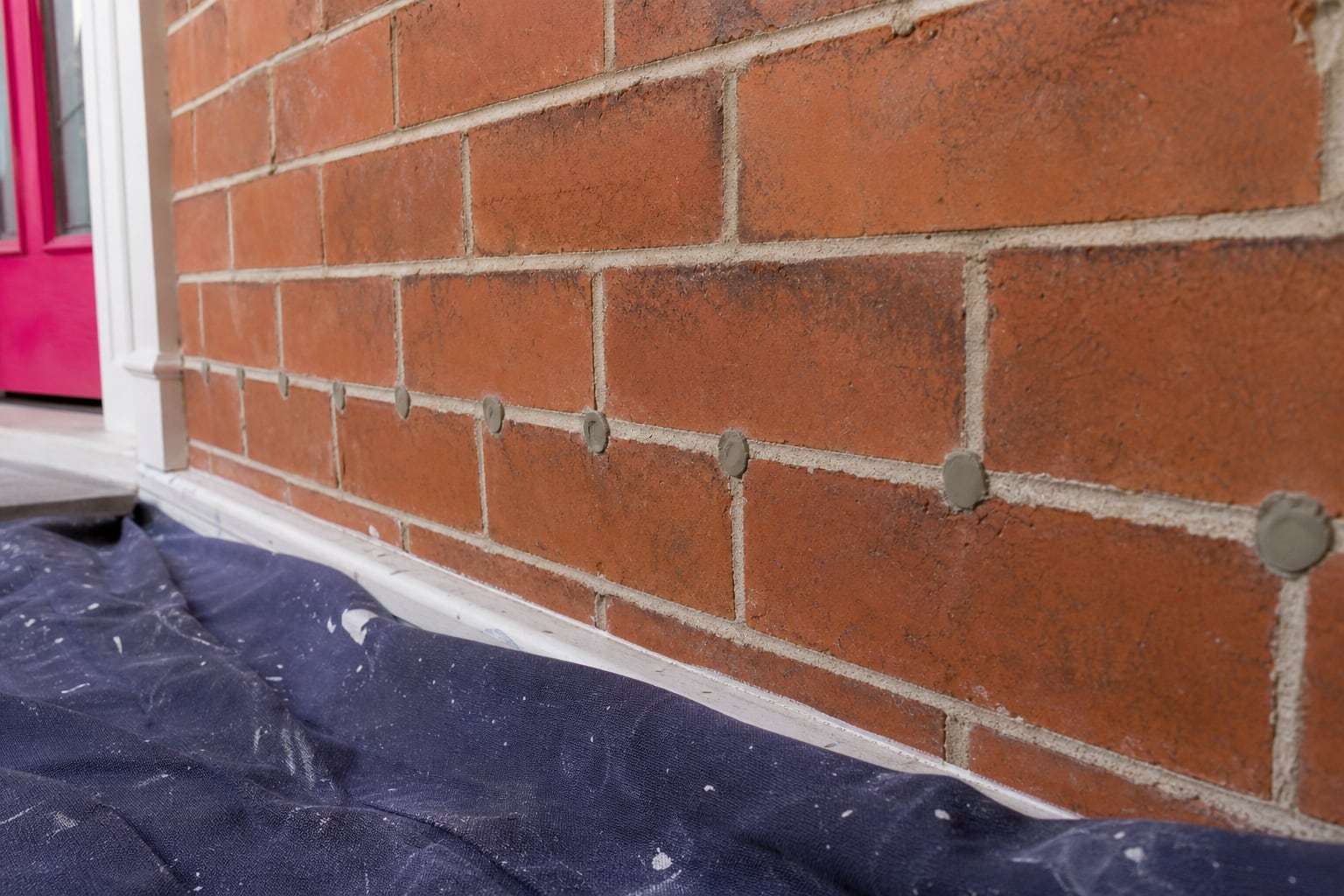
A new barrier. In solid and double brick walls with sound mortar, a chemical damp course injected along the base of the wall is usually the right fix. Where walls are built of soft early brick or have deteriorated badly, a physical damp course gives a more reliable barrier.
Getting the height right. On low, flat blocks there’s often little difference between the floor inside and the ground outside. The barrier has to sit above the ground and below the floor, so sometimes the outside ground needs lowering to make room.
Lowering raised ground. Where yards and paths have been built up above the old course, they need to come down, or the new barrier is bypassed.
Subfloor airflow. Many bayside bungalows have timber floors on piers over damp sand. Clearing and adding vents, or fitting fans, helps the crawl space and the base of the walls dry. See subfloor ventilation.
Replacing the plaster. Once the barrier is in, the salt-loaded plaster is stripped and replaced with a salt-tolerant render after the wall has dried.
Brick veneer homes on the bayside
Newer homes and many rebuilds near the bay are brick veneer. They handle wet ground differently: the main risk is water reaching the timber frame through blocked weep holes or built-up garden beds. Our guide to damp in brick veneer homes explains it.
Flats and units
Older walk-up blocks around Brighton-Le-Sands, Rockdale and Kogarah often have rising damp in their ground-floor units. In strata buildings the walls are usually common property, so repairs go through the owners corporation. A written diagnosis helps the strata committee decide.
Flooding is a separate issue
Parts of the bayside and the lower Cooks River are flood-affected. Flooding and rising damp are different problems: a flood soaks walls from outside and above, while rising damp draws water up from the ground constantly. If your house has been flooded, the walls need time to dry before damp repairs are assessed. Council flood information shows whether your property is in a flood-affected area.
Looking after a bayside home
Keep soil and paving below the damp course, make sure downpipes run into working drainage, keep subfloor vents clear of sand, plants and stored items, and avoid sealing walls with impermeable paints or render. Small things like these make a real difference on wet ground.
Getting it checked
We take readings on every damp wall, look at ground levels, drainage and the subfloor, and tell you what’s causing the damp before quoting. Our page on rising damp treatment explains the process, and our overview of St George rising damp covers how we work.
Updated
Rising damp near Botany Bay: common questions
Something else on your mind? Call and ask.
Is the water table really that high near the bay?
On parts of the low, sandy ground near Botany Bay and the Cooks River, groundwater sits close to the surface, especially after wet periods. That keeps the soil under houses damp for long stretches.
Does salt air from the bay cause damp?
Bay air carries less salt than ocean surf, but walls close to the water can still collect some. More often, the damp in bayside homes comes from the wet ground below.
Should I worry about flooding as well?
Parts of the area are flood-affected, and flooding is a separate issue from rising damp. Council flood information shows whether your property is affected. After any flood, walls need time to dry before repairs.
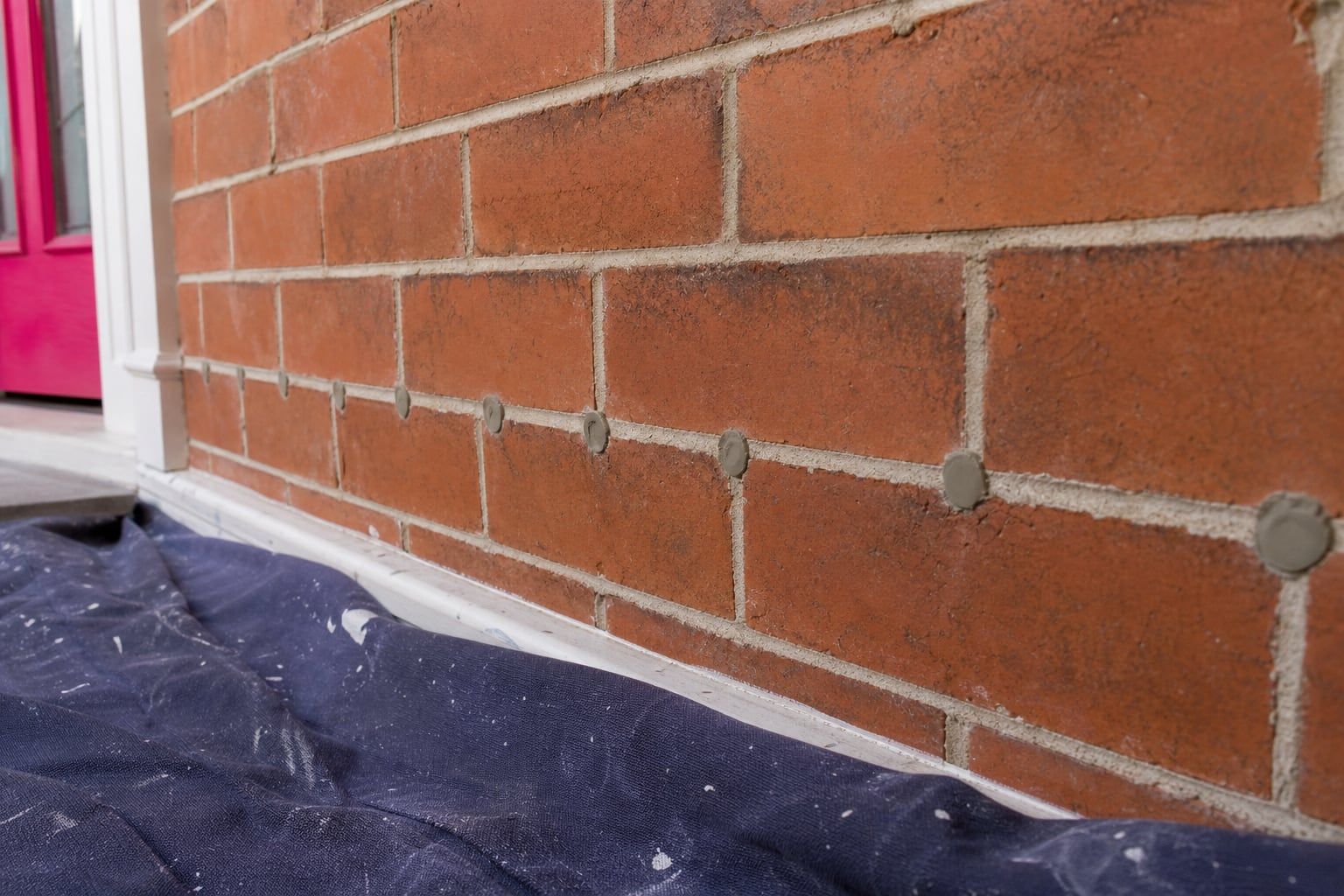
Chemical Damp Course in St George
More guides for St George homeowners
- Damp in brick veneer homes: weep holes, garden beds and the timber frameHow brick veneer houses handle water, why they get damp when weep holes are covered, and what keeps the timber frame dry.
- Damp in fibro cottages: subfloors, piers and asbestos safety in St GeorgeWhy post-war fibro and weatherboard cottages get damp underneath, what it does to the floor and frame, and how to fix it safely.