Waterproof Tanking and Drainage St George
Lead water away from the house outside, and waterproof walls that must stay against the ground.
Damp wall drainage and waterproof tanking deal with water that comes into a wall from the side. A damp course only stops water rising from the footing. In St George, a lot of wall damp comes from somewhere else: a patio poured higher than the floor, garden beds heaped over the base of the wall, weep holes buried in mulch, or a house cut into the slope down to the Georges River.
Built-up ground
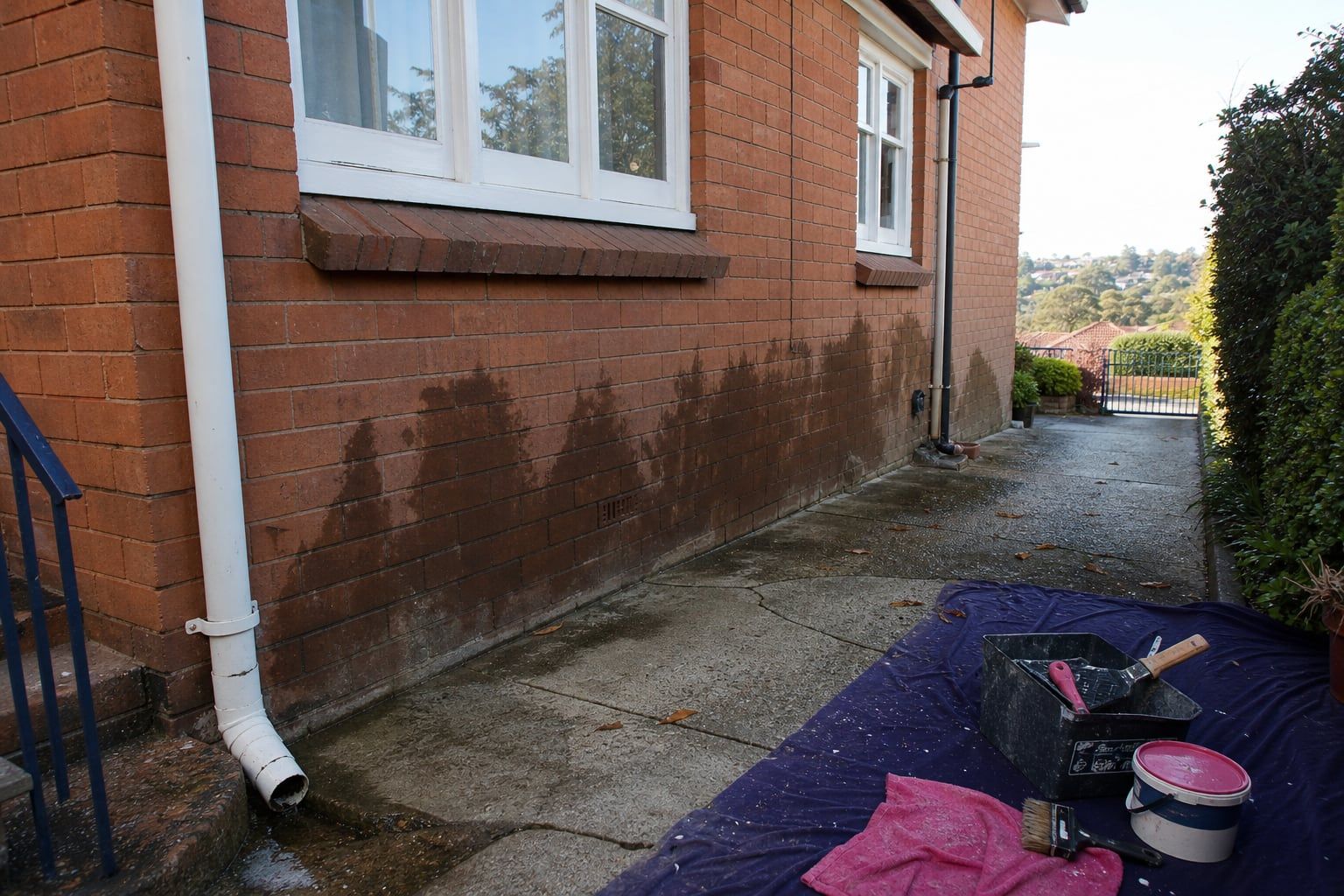
Over decades, the ground around a house tends to rise. Lawns get topdressed, garden beds are built up against the walls, concrete paths are laid on top of old ones, and back patios are poured at door height. Eventually soil or paving sits above the original damp course, and every rainfall puts water against the wall above it.
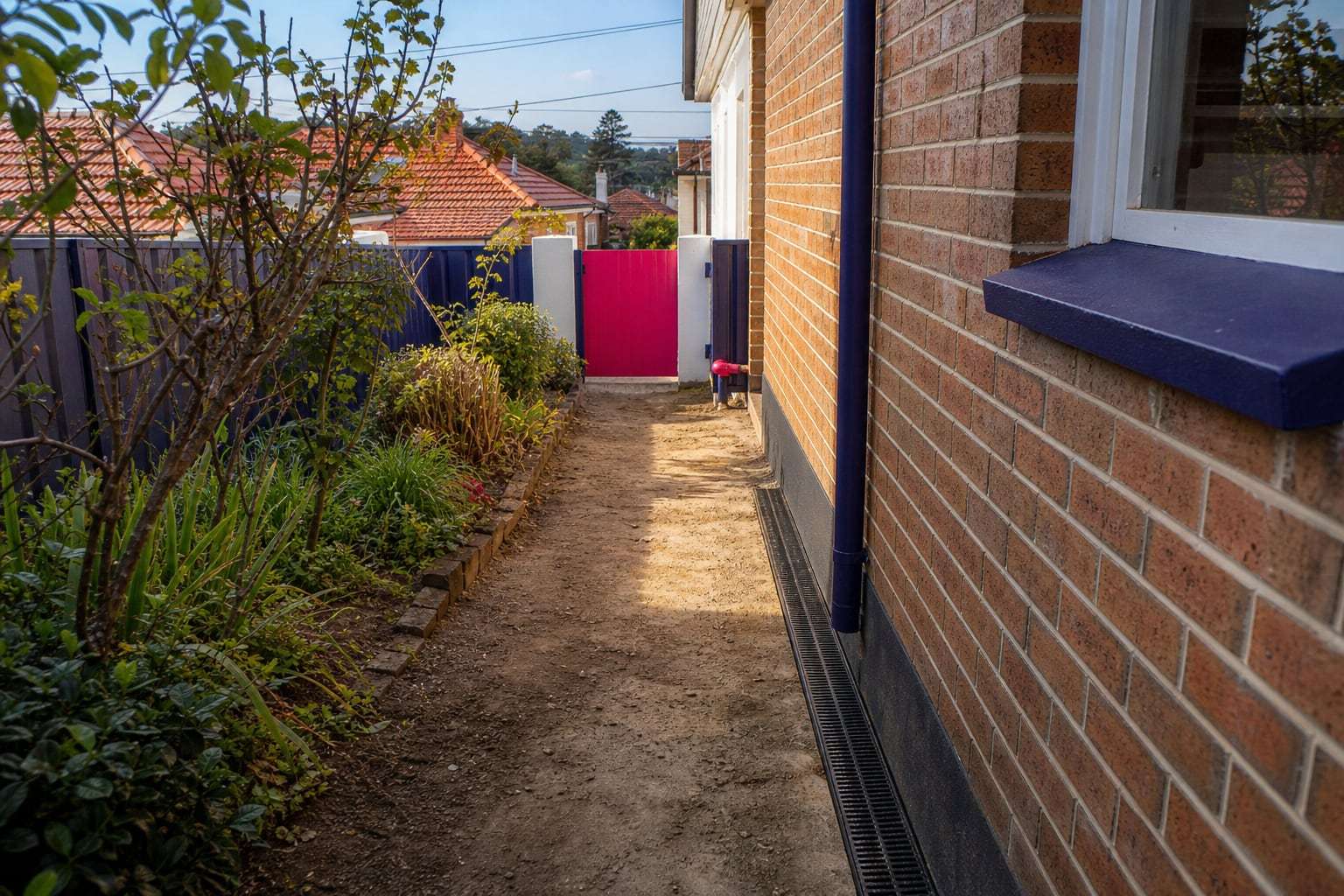
The fix is outside. We lower soil and paving below the damp course, regrade paths and patios to fall away from the house, and where they can’t be lowered right at the wall, install a drain or a gravel strip between the paving and the brick.
Weep holes in brick veneer and cavity walls
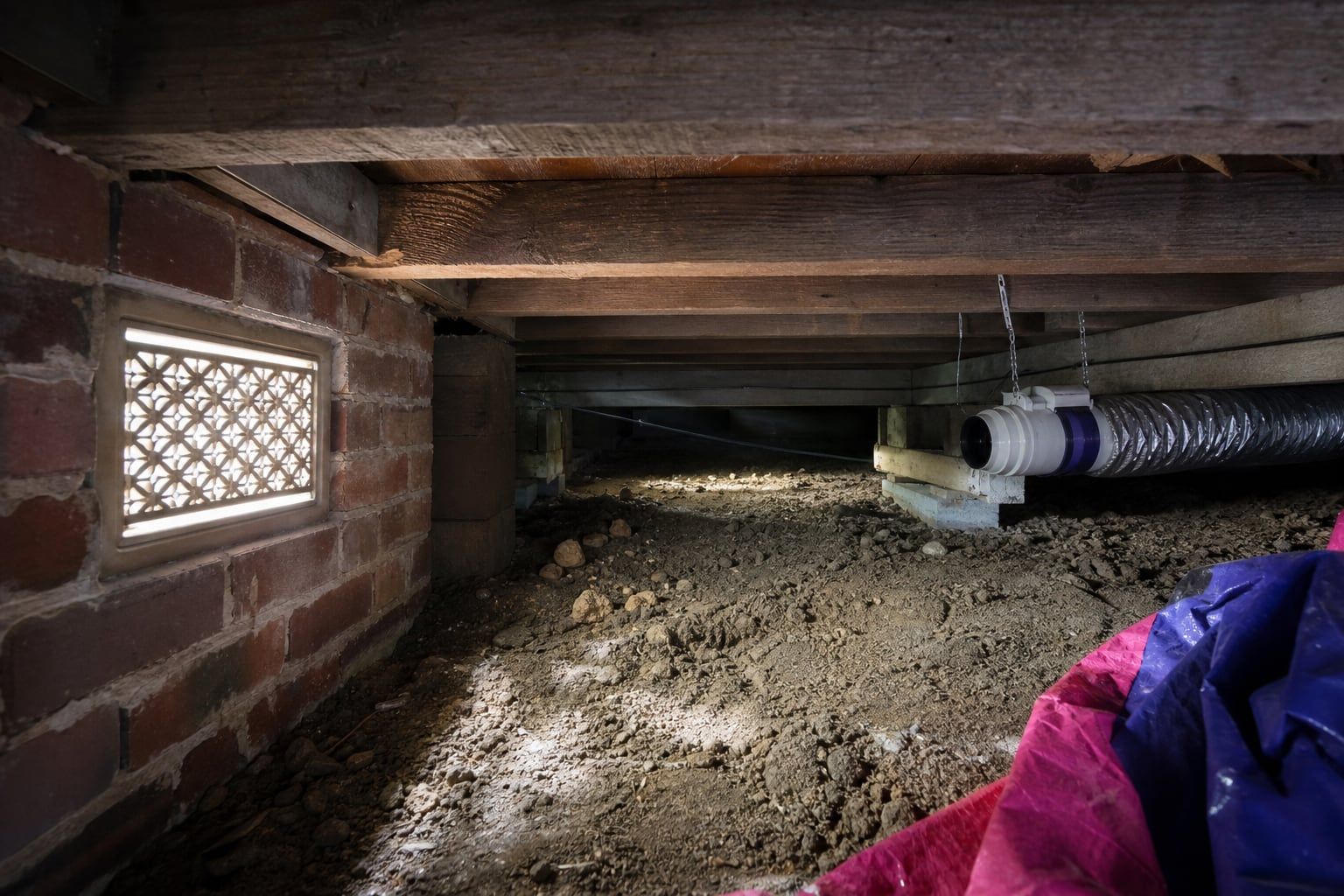
Brick veneer houses, built across St George from the sixties onward, and cavity brick homes have weep holes in the bottom course of brickwork. They let water that gets into the cavity drain back out. When soil, mulch, paving or render covers them, water collects at the bottom of the cavity, and in veneer homes it can soak into the timber bottom plate of the frame.
Clearing and protecting weep holes, and lowering the ground outside, is often all a veneer house needs. Our guide on damp in brick veneer homes explains it in detail.
Sloping blocks
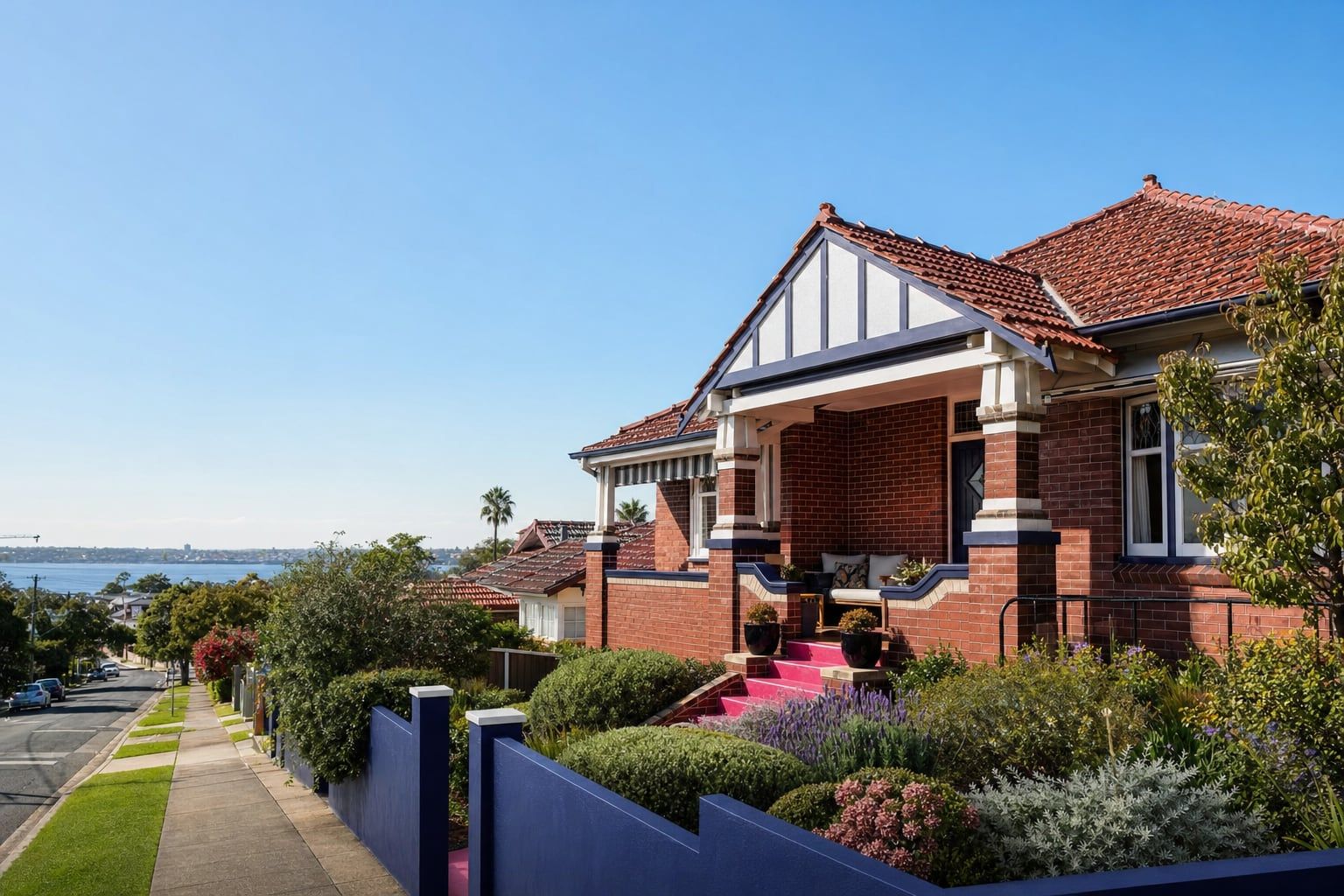
From Oatley and Mortdale down to Connells Point, Blakehurst, Kyle Bay and Carss Park, the streets fall steeply toward the Georges River over sandstone and clay. Many houses have a lower floor, garage or rumpus room cut into the hill. After rain, water moves down through the soil and along the rock and presses against those walls.
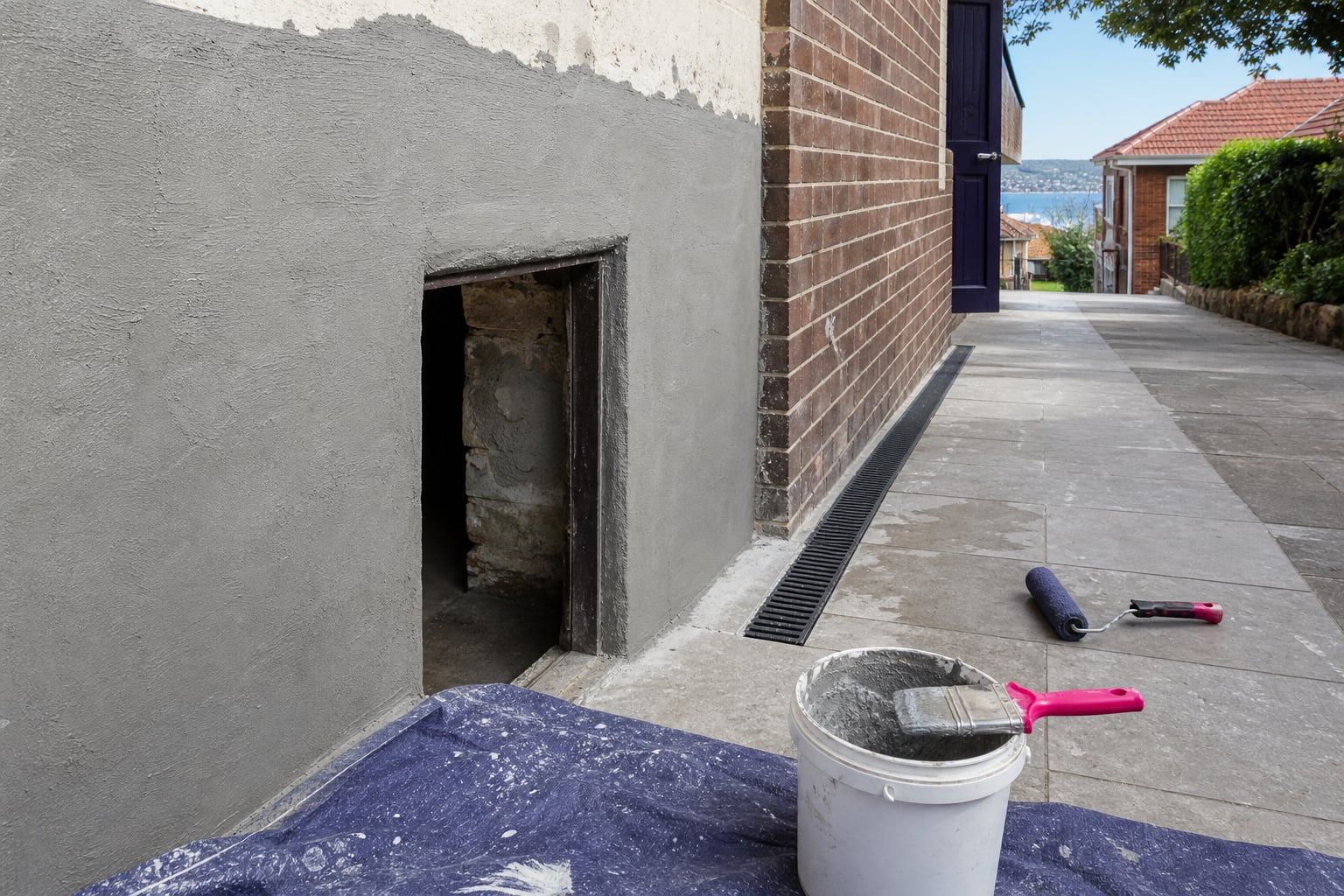
Where we can reach the outside of the wall, an agricultural drain on the uphill side intercepts that water and carries it away. Where we can’t, we tank the inside face with a cementitious waterproofing system built up in layers and carried around corners and onto the floor, then protected with render.
Downpipes and stormwater
Downpipes that discharge onto the ground beside the house, or into broken stormwater pipes, soak the soil against the walls. Getting every downpipe into working drainage is a cheap and effective part of most jobs.
Reading the wall first
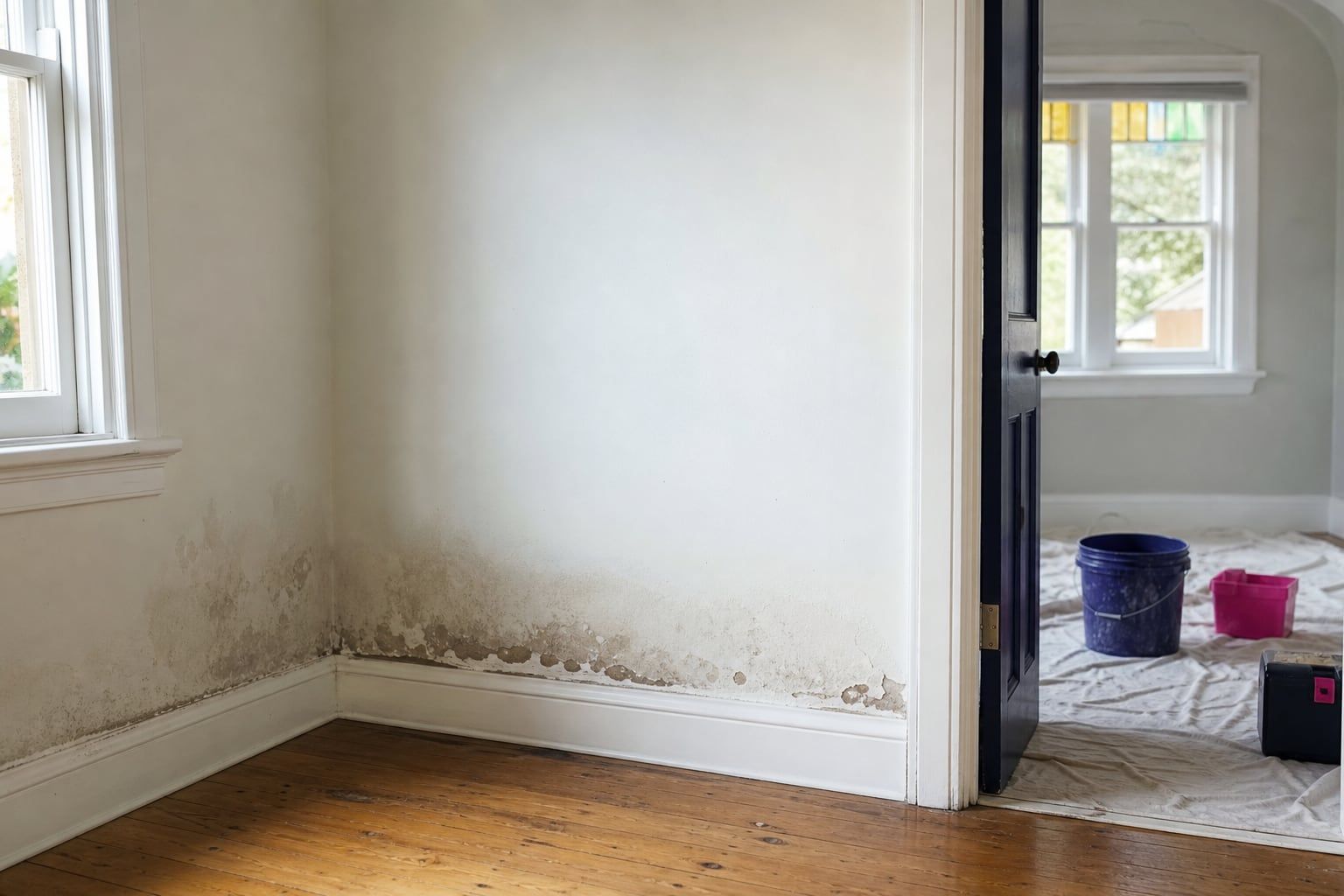
Readings tell us whether the damp is even along the base of the wall, which points to rising damp, or concentrated where soil, paving or the slope meets the wall and worse after rain. Many houses have both. A typical plan might combine lowered garden beds at the back, a chemical damp course in the internal walls and subfloor ventilation under a timber floor.
Finishing
Once water is directed away, walls that weren’t tanked have their salt-damaged plaster replaced with replastering damp walls. The written quote lists what’s being done outside, what’s going on each wall, and why.
For how this fits into the whole job, see rising damp treatment.
Updated
What good waterproof tanking and drainage looks like
Waterproof Tanking and Drainage across St George
Waterproof Tanking and Drainage in St George: step by step
- Follow the waterWe see where rain lands, how the block falls and which walls the water reaches.
- Drain and regradeSoil and paving are lowered or regraded, and drains added to carry water off.
- Tank if neededWalls that must stay against the ground get a waterproof system on the inside face.
- FinishA protective render or lining goes over the tanking, leaving a wall you can decorate.
Waterproof Tanking and Drainage guides for St George homeowners
- Damp in brick veneer homes: weep holes, garden beds and the timber frameHow brick veneer houses handle water, why they get damp when weep holes are covered, and what keeps the timber frame dry.
- Damp in fibro cottages: subfloors, piers and asbestos safety in St GeorgeWhy post-war fibro and weatherboard cottages get damp underneath, what it does to the floor and frame, and how to fix it safely.
Waterproof Tanking and Drainage questions in St George
Something else on your mind? Call and ask.
Why is only the back of my house damp?
Often because the back patio or yard has been built up higher than the floor, or slopes toward the house. Water then sits against the back wall above the damp course after every rain.
What are weep holes, and why do they matter?
Weep holes are the small gaps left in the bottom course of brick veneer and cavity walls to let water drain out of the cavity. If soil, mulch or paving covers them, water builds up inside the wall and can reach the timber frame.
Can a downstairs room on a sloping block be made dry?
In most cases. Drainage on the uphill side and tanking on the walls below ground can make lower rooms on Georges River slopes usable again.