Rising damp symptoms: telling the signs apart in St George homes
The signs of damp in brick, veneer and fibro homes, and which ones really point to rising damp.
Reading damp in St George homes
Rising damp symptoms are easy to recognise once you know them, but in St George they can look different depending on how the house was built. A solid brick bungalow in Bexley shows damp one way, a brick veneer home in Peakhurst another, and a fibro cottage in Beverly Hills a third. The bayside adds wet, sandy ground. Here are the signs we see most and what each usually means.
Bubbling paint near the floor
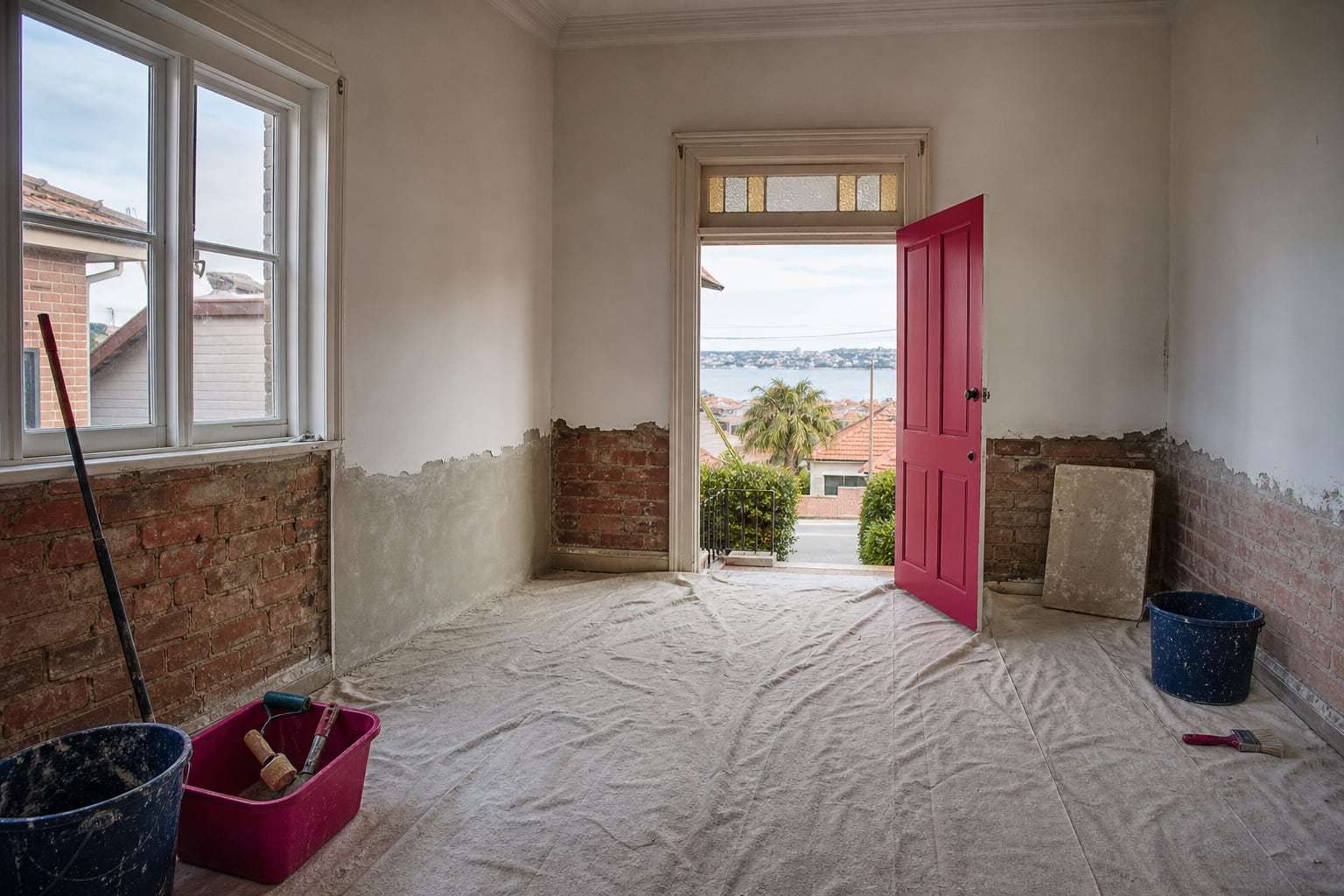
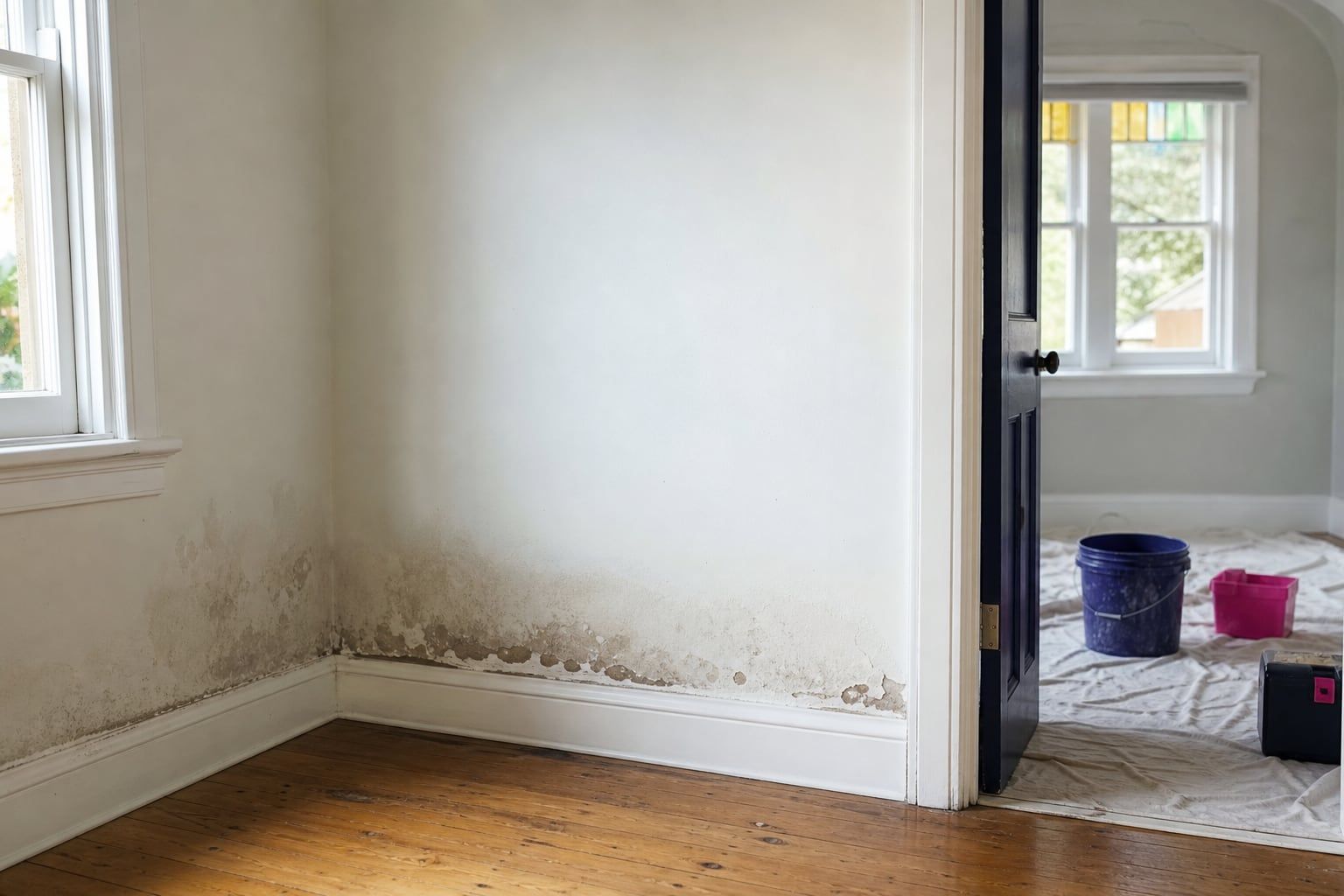
Paint blistering or bubbling in a band along the lower wall is caused by moisture and salt pushing out from behind it. On solid brick walls, a band that runs through several rooms at a similar height points strongly to rising damp.
White salt on plaster or brick
Fluffy or powdery white deposits are salts left behind as water evaporates. Inside, low on the wall, they suggest water rising from the ground. Outside on the brick, they can also come from rain soaking in and drying out.
Plaster that crumbles
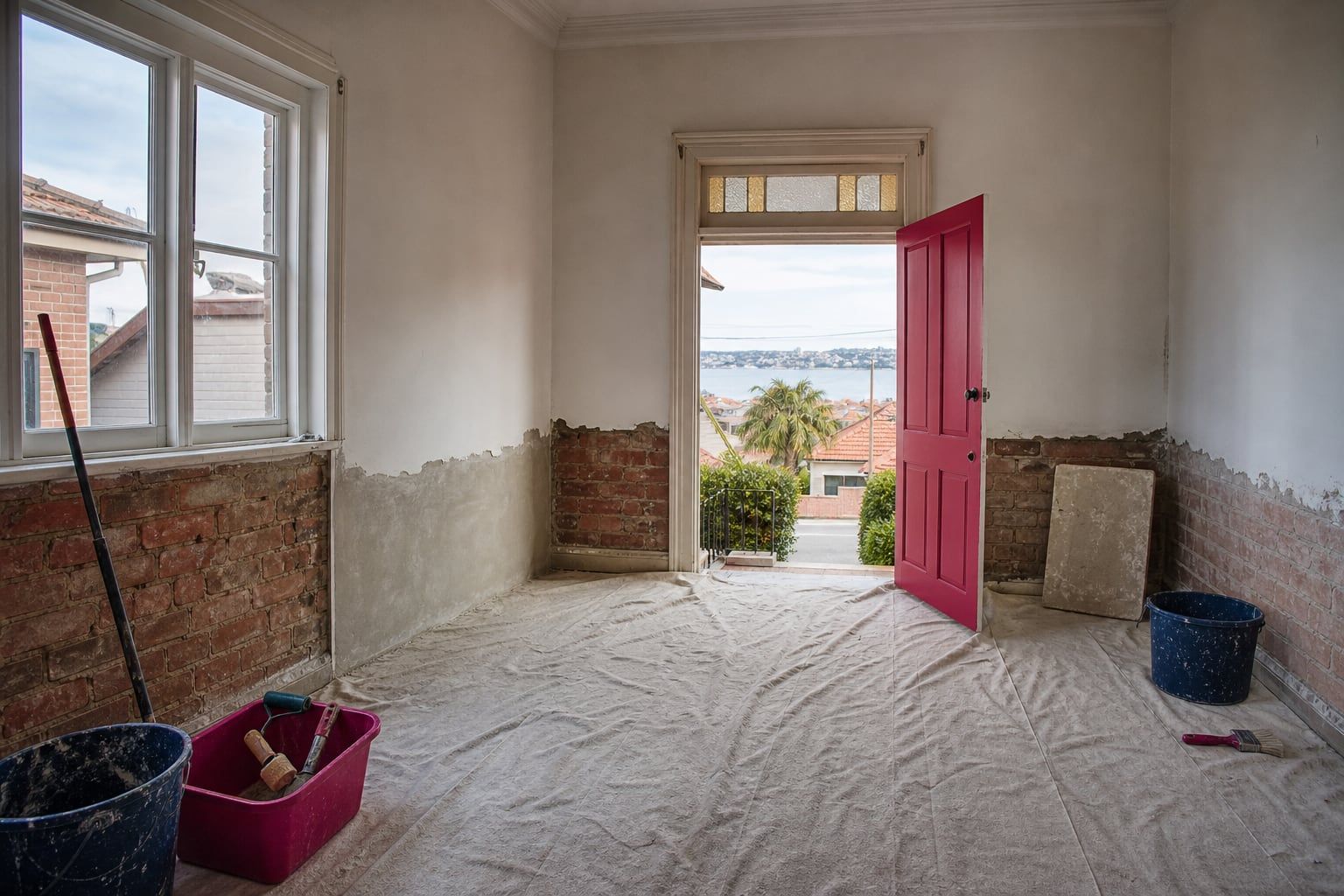
Plaster that turns soft, sandy or hollow-sounding has been broken down by salt crystallising inside it. It won’t harden again, so it needs salt-damaged plaster repair once the water is stopped.
A tide mark
A brownish line across the wall, usually under a metre high, marks the top of the wet zone. Level and continuous through several rooms usually means rising damp. Higher on one side often means soil or paving against the wall outside.
Swollen or soft skirtings
Skirtings that are swelling, soft or pulling away from the wall have been sitting in damp. In older brick homes they rot from behind. In brick veneer homes they’re often the first sign that water is reaching the frame.
Weep holes you can’t see
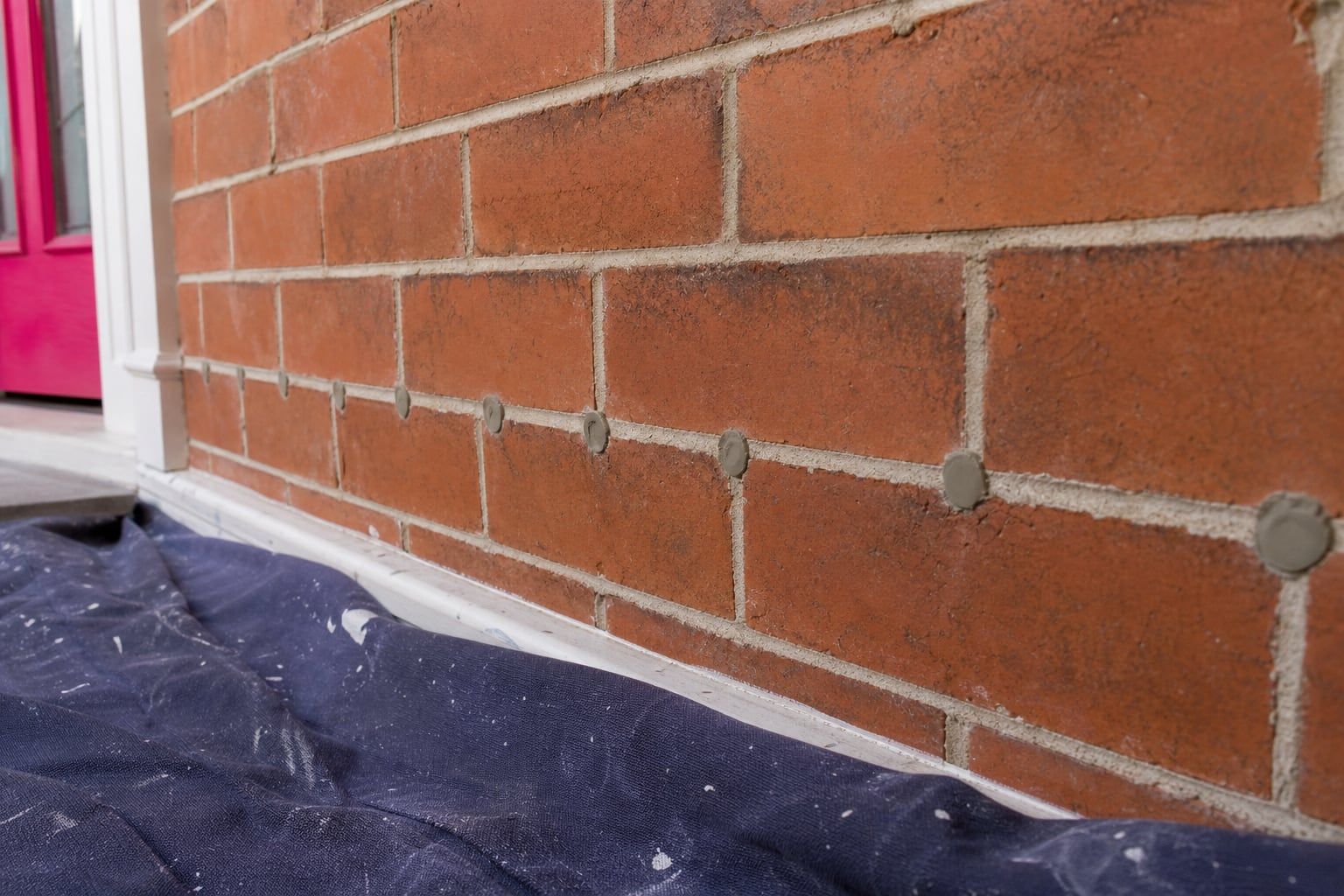
Brick veneer and cavity walls need open weep holes in the bottom course of bricks so water can drain out of the cavity. If garden beds, mulch or paving cover them, water builds up inside the wall. Our guide on damp in brick veneer homes explains why that matters.
Mould low on walls and in wardrobes
Black or grey mould near the floor, in corners or inside built-in wardrobes on external walls comes from damp air against damp, cold surfaces. It can come from rising damp, a damp subfloor or poor airflow.
A musty smell and soft floors
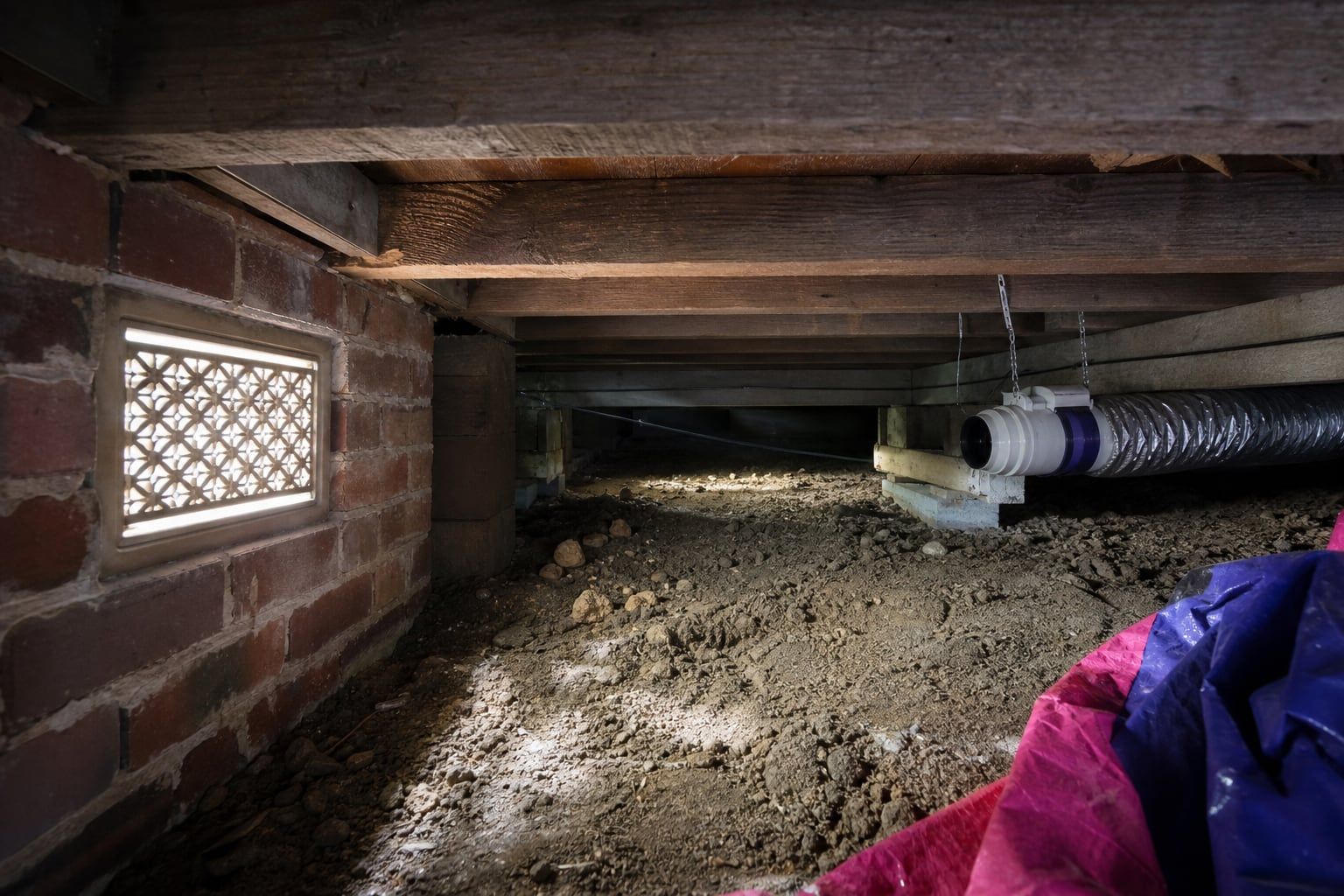
A stale, earthy smell, with floorboards that cup, bounce or feel soft, usually means a damp subfloor. It’s especially common in fibro and weatherboard cottages on piers. See damp in fibro cottages and subfloor ventilation.
Damp that worsens in wet spells
If damp gets worse after long wet periods rather than single storms, and you’re on low ground near the bay or the Cooks River, rising groundwater may be the cause. Our guide on rising damp near Botany Bay explains why.
When the signs add up
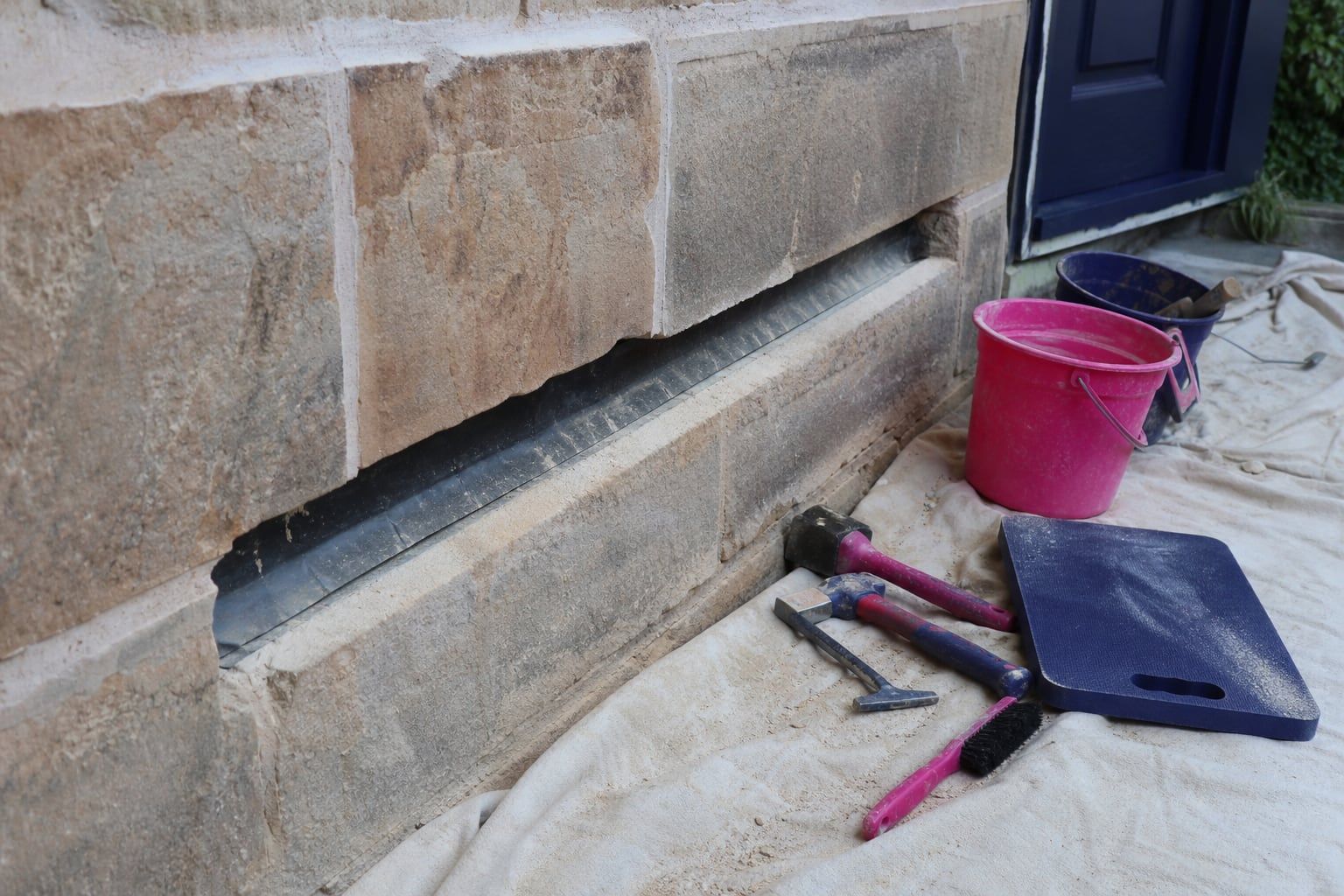
It’s likely to be rising damp when the damage sits along the base of ground-floor brick walls, fades below about a metre, is there in dry weather and comes with salt in the plaster. In that case the wall needs a new barrier, usually a chemical damp course.
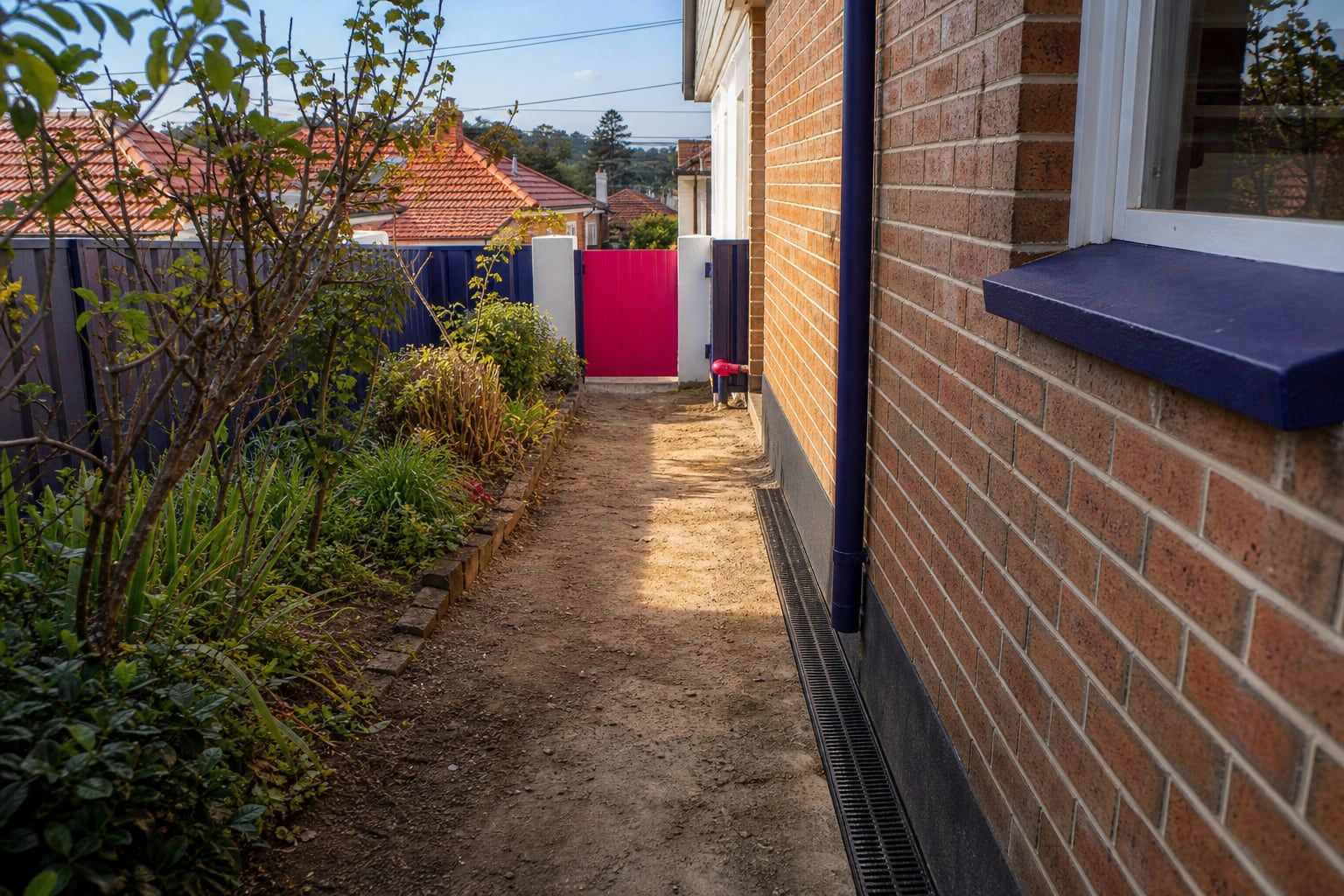
When the pattern doesn’t fit, the fix might be clearing weep holes, lowering garden beds, drainage or subfloor airflow instead. That’s why we measure first. Our page on rising damp treatment explains how, and our overview of St George rising damp covers the whole job.
Updated
What fixes these symptoms in St George
More on damp for St George homeowners
- Damp in brick veneer homes: weep holes, garden beds and the timber frameHow brick veneer houses handle water, why they get damp when weep holes are covered, and what keeps the timber frame dry.
- Rising damp near Botany Bay: sandy ground and high water in bayside St GeorgeWhy older brick homes on the sandy, low ground around Botany Bay are prone to rising damp, and how to protect them.
- Damp in fibro cottages: subfloors, piers and asbestos safety in St GeorgeWhy post-war fibro and weatherboard cottages get damp underneath, what it does to the floor and frame, and how to fix it safely.
Questions about rising damp symptoms
Something else on your mind? Call and ask.
What's the clearest sign of rising damp?
Damage along the base of ground-floor brick walls on several sides, fading out below about a metre, present in dry weather, with salt in the plaster. Other causes rarely match that whole pattern.
My house is brick veneer. Do the same signs apply?
Partly. Veneer homes have plasterboard inside, so look for swollen skirtings, soft or stained plasterboard and mould near the floor, and check that the weep holes outside are clear.
Should I paint over the damage?
Not until the cause is fixed. New paint over a damp, salty wall fails again within months.