Rising Damp Treatment St George
We check what's wetting the wall, fix that first, then rebuild the finish so it stays sound.
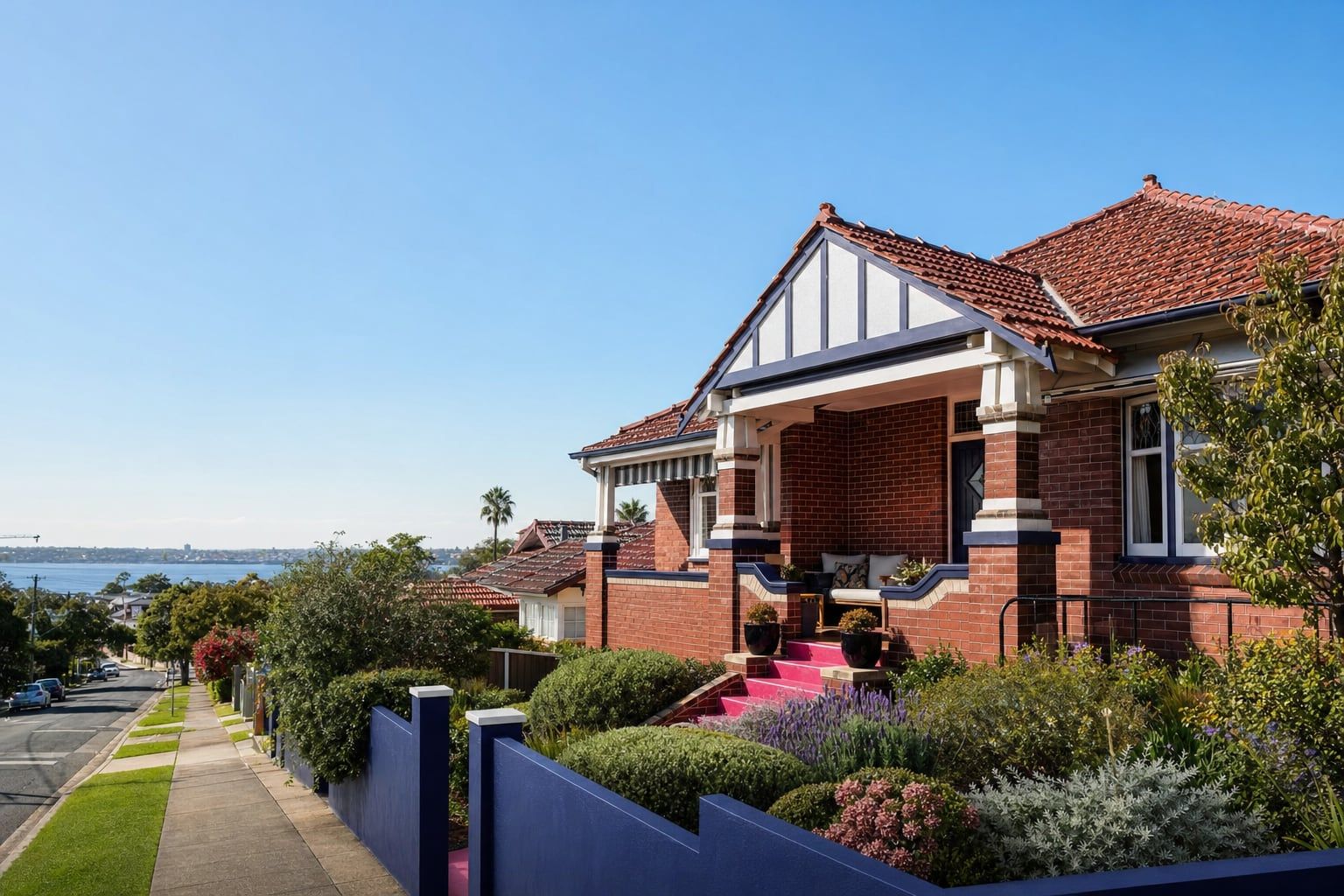
Rising damp treatment in St George covers a wide range of houses. There are Federation and inter-war brick bungalows in Kogarah, Bexley, Rockdale and Hurstville, post-war brick and fibro cottages across Penshurst, Mortdale, Peakhurst and Beverly Hills, brick veneer homes from the sixties and seventies, and bayside units near Botany Bay. Each is built differently, and each gets damp in its own way.
Finding the cause
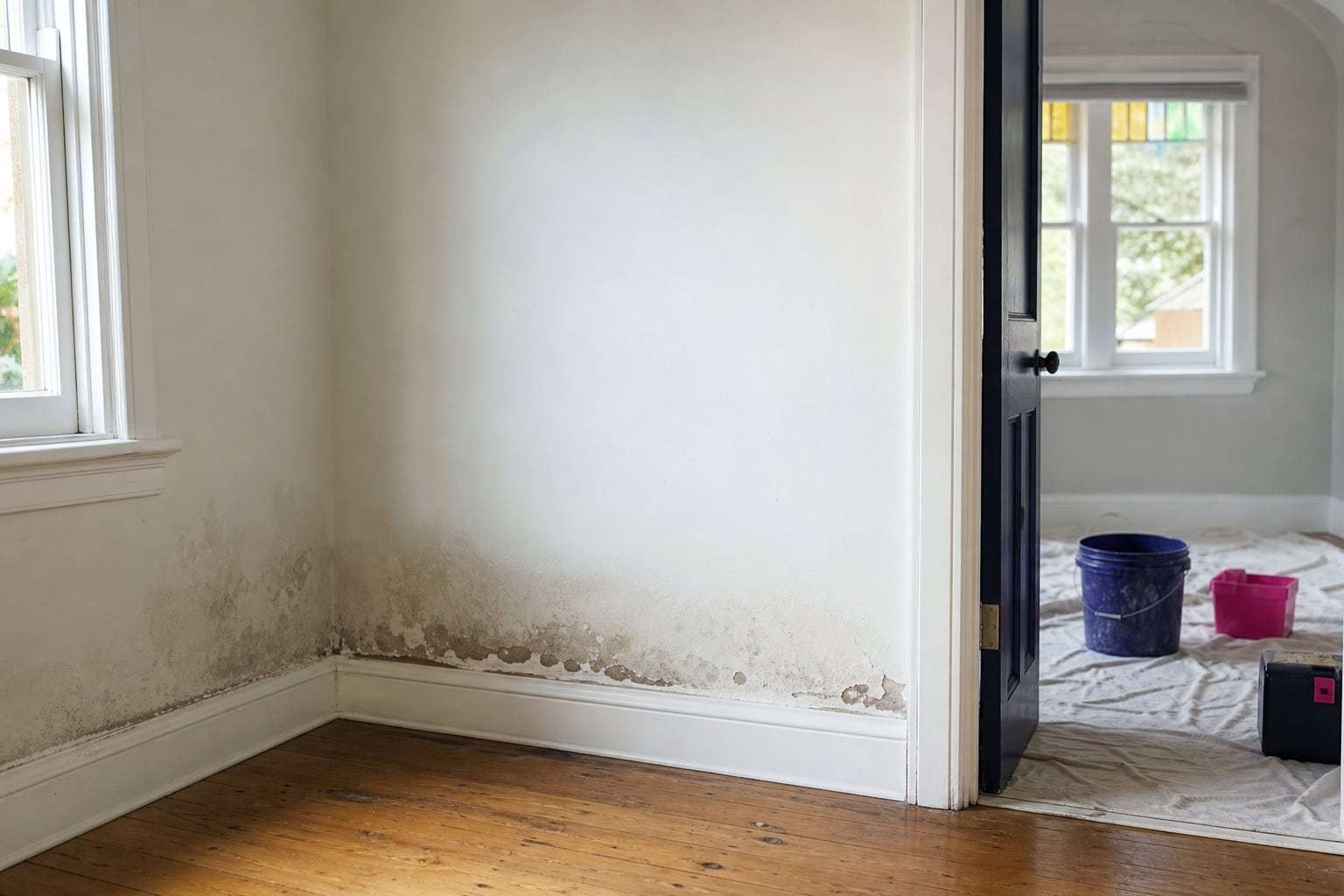
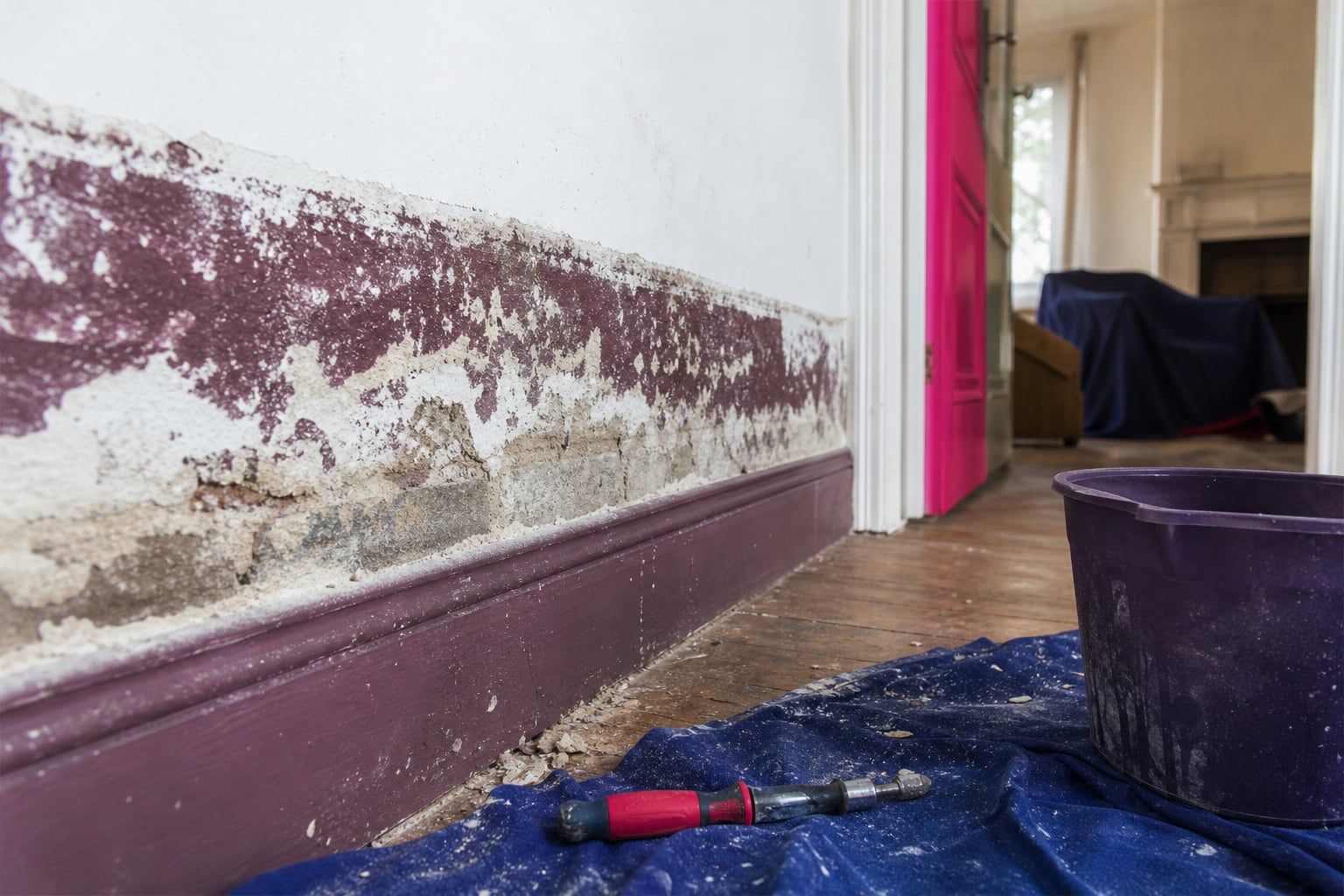
We start every job with readings. Each damp wall is measured close to the floor and higher up, and the plaster is tested for salt. Rising damp shows a recognisable pattern: wettest at the base, fading out below about a metre, roughly level, and steady whether it’s rained or not.
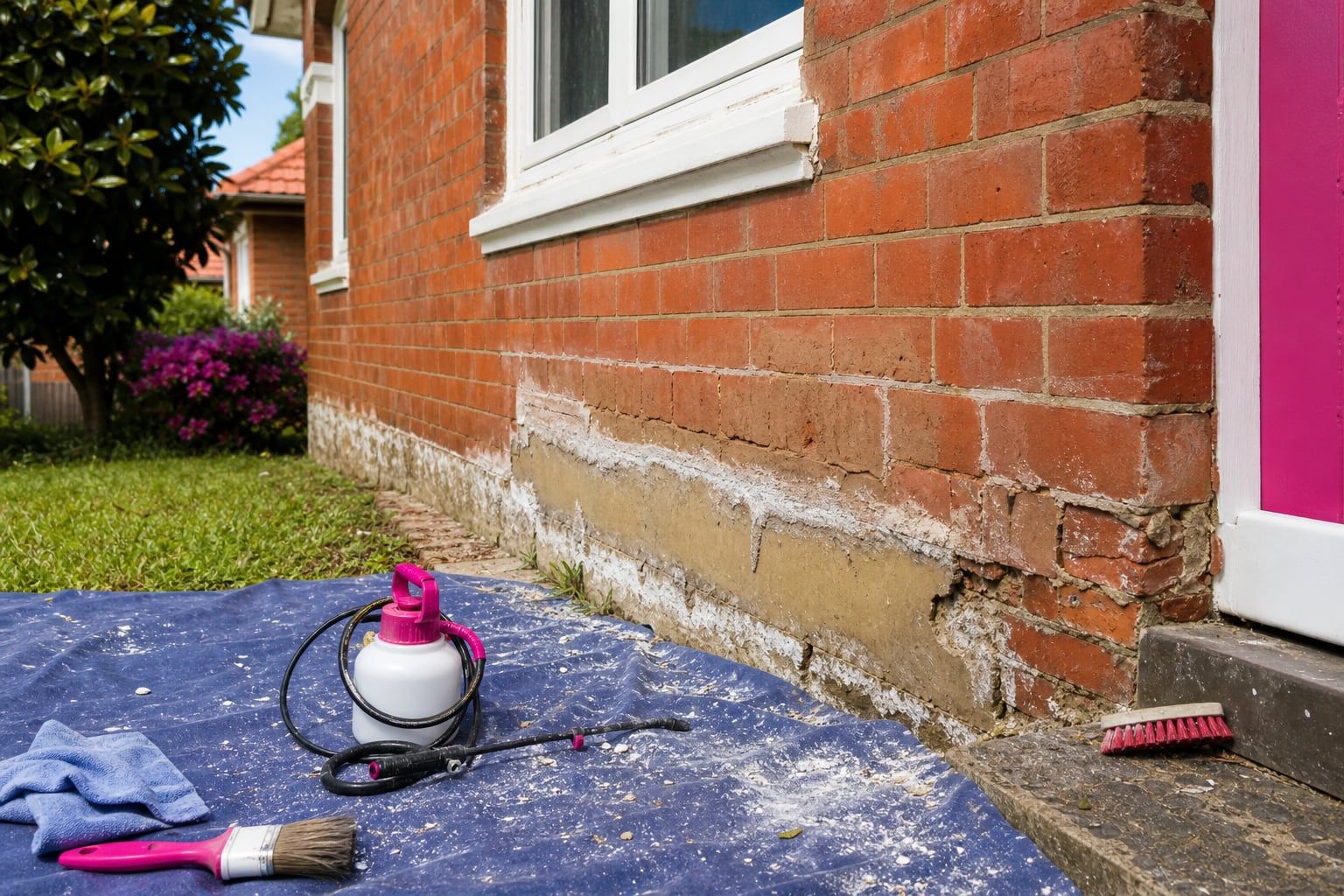
When the readings don’t fit that pattern, we look further. Garden beds built up against the wall, weep holes buried under soil or paving, downpipes spilling at the base of the wall and damp subfloors all cause damage that looks a lot like rising damp.
What the repair can include
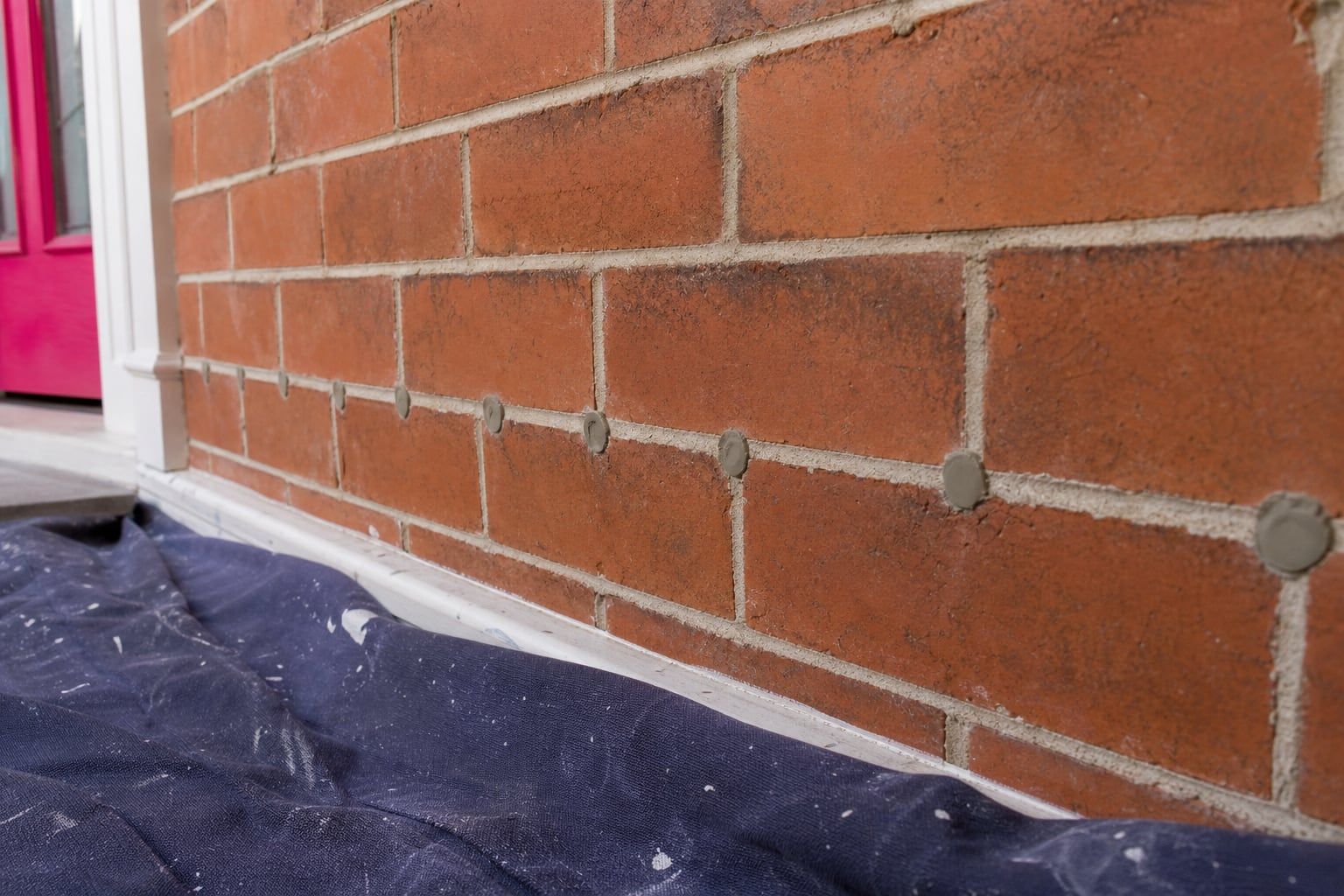
- A chemical damp course injected into the mortar of solid and double brick walls.
- A physical damp course for walls of soft early brick or with sandstone in the footings.
- Subfloor ventilation for houses on piers, including fibro cottages and bungalows.
- Damp wall drainage for walls with soil or paving above the damp course and houses cut into a slope.
- Salt-damaged plaster repair to finish the job.
What makes St George damp different
Low, wet ground. Arncliffe, Wolli Creek and the streets near the Cooks River sit on low land, and the bayside suburbs from Kyeemagh to Sans Souci are on sandy ground over a high water table. True rising damp is more common in older brick homes there. Our guide on rising damp near Botany Bay covers why.
Brick veneer. A lot of St George was built or rebuilt with brick veneer after the war. Veneer behaves differently from solid brick: the risk is water getting to the timber frame, often through blocked weep holes. Our guide to damp in brick veneer homes explains it.
Fibro and piers. Many post-war cottages are fibro or weatherboard on piers, with crawl spaces that have lost their airflow over the years. See damp in fibro cottages.
Slopes to the river. Oatley, Mortdale, Connells Point, Blakehurst and Carss Park run down to the Georges River on sandstone and clay. Houses cut into those slopes can get water from the side as well as from below.
Finishing the wall
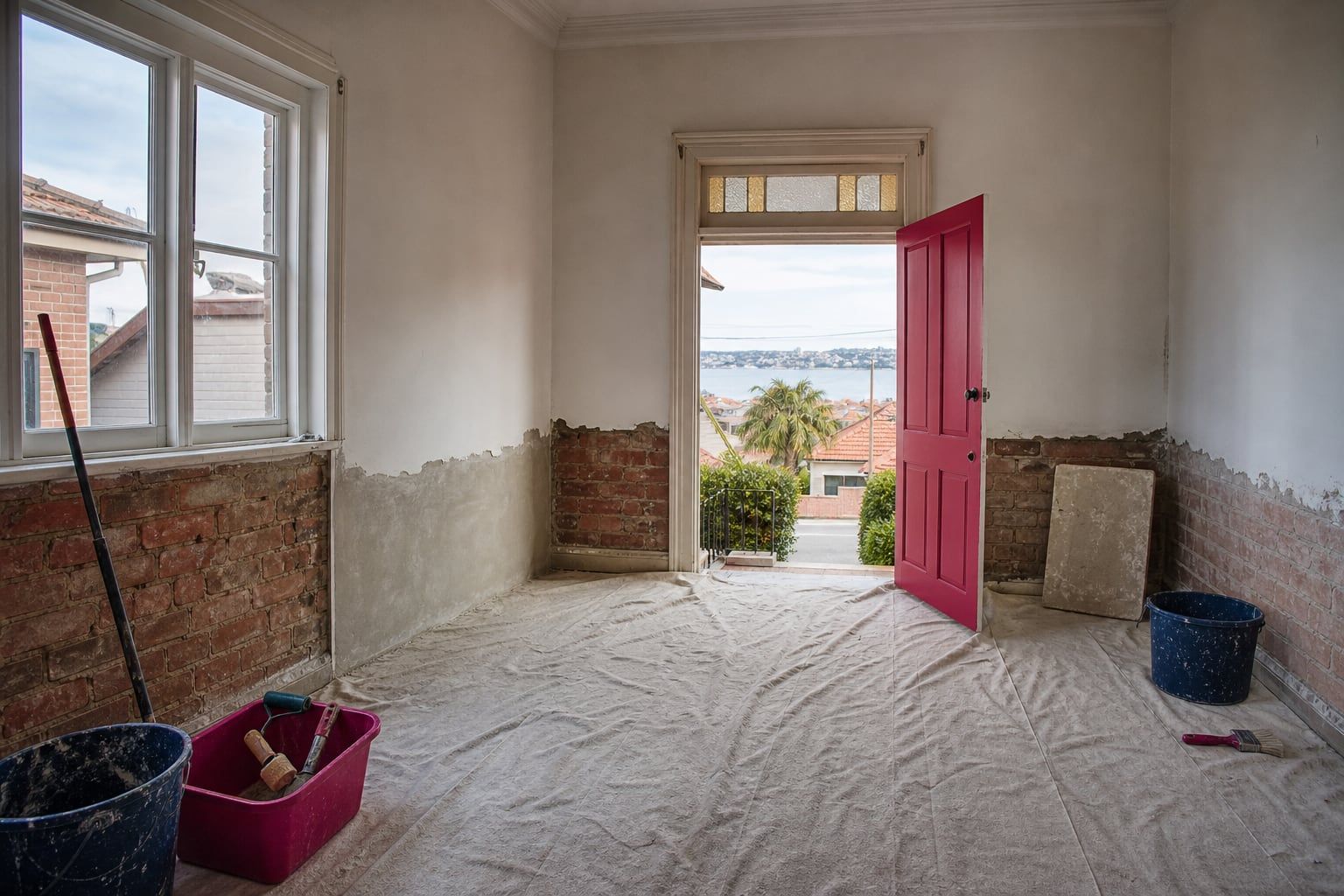
Once the water source is dealt with, the salty plaster comes off back past where the salt has reached. The wall is given time to dry, then a salt-tolerant render goes back on, ready for paint. Rotten skirtings are replaced.
If you’re not sure what you’re seeing, our page on rising damp symptoms walks through each sign and what else can cause it.
Updated
What good rising damp treatment looks like
Rising Damp Treatment across St George
Rising Damp Treatment in St George: step by step
- InspectMoisture readings at several heights on each damp wall, and a salt test on the plaster.
- Check the outsideGarden beds, weep holes, paths, downpipes and the subfloor are looked at for what's feeding the damp.
- Fix the sourceA new damp course, drainage, airflow or cleared weep holes, depending on what we found.
- Rebuild the finishSalty plaster is replaced with a salt-tolerant render once the wall has had time to dry.
Rising Damp Treatment guides for St George homeowners
- Damp in brick veneer homes: weep holes, garden beds and the timber frameHow brick veneer houses handle water, why they get damp when weep holes are covered, and what keeps the timber frame dry.
- Damp in fibro cottages: subfloors, piers and asbestos safety in St GeorgeWhy post-war fibro and weatherboard cottages get damp underneath, what it does to the floor and frame, and how to fix it safely.
Rising Damp Treatment questions in St George
Something else on your mind? Call and ask.
My house is brick veneer. Can it have rising damp?
The outer brick skin can draw water up, but the inside walls are usually plasterboard on a timber frame. The bigger risk is damp reaching the timber bottom plate when weep holes are blocked or garden beds are built over them. We check for that specifically.
We're near Botany Bay. Does that matter?
It can. Around Brighton-Le-Sands, Kyeemagh, Ramsgate and Sans Souci the ground is sandy and the water table sits close to the surface, so walls in older brick homes there are more prone to true rising damp.
How long does the job take?
The damp course itself is usually quick. Stripping plaster and letting the wall dry before re-rendering takes longer. The quote sets out the timing for your house.