Chemical Damp Course St George
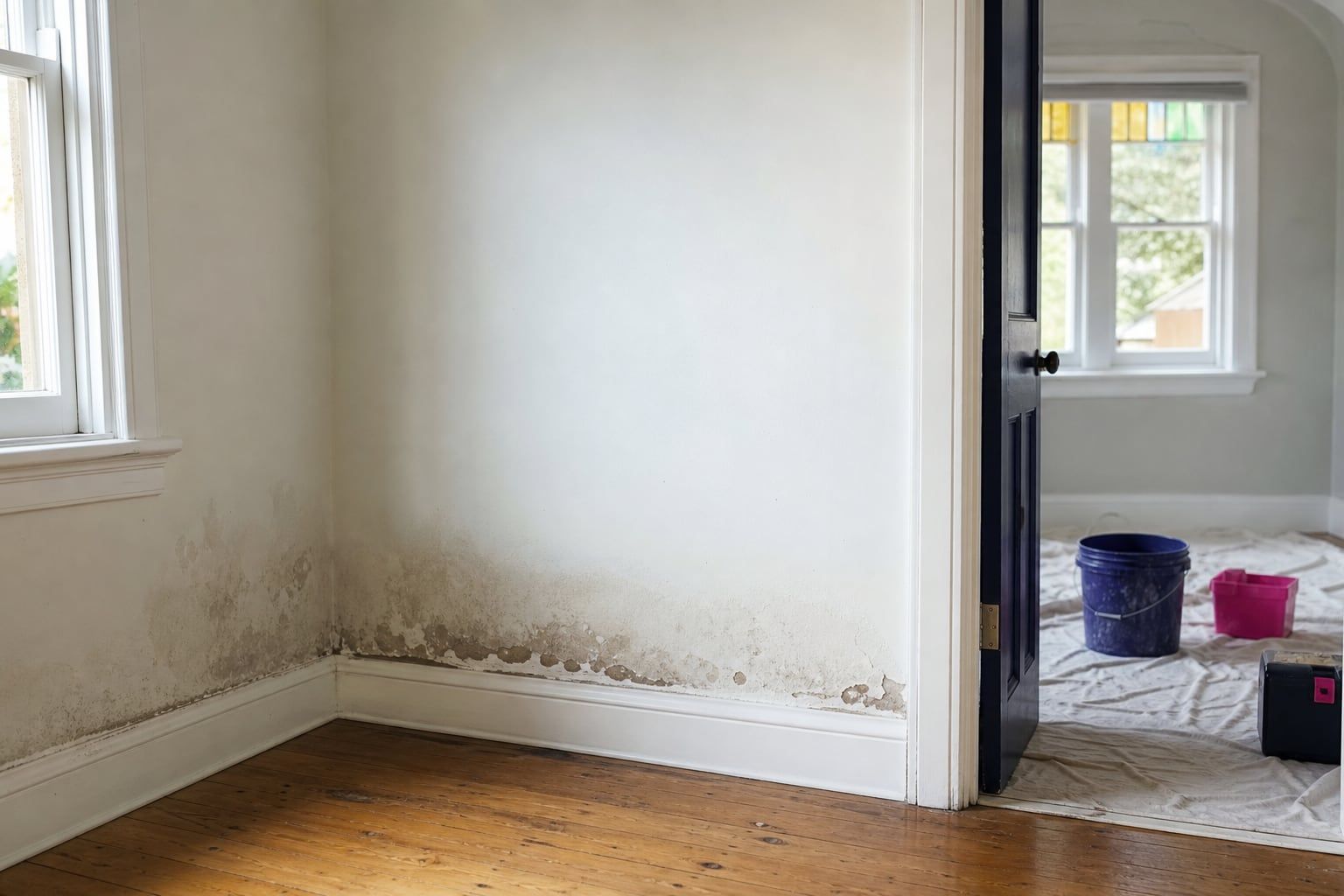
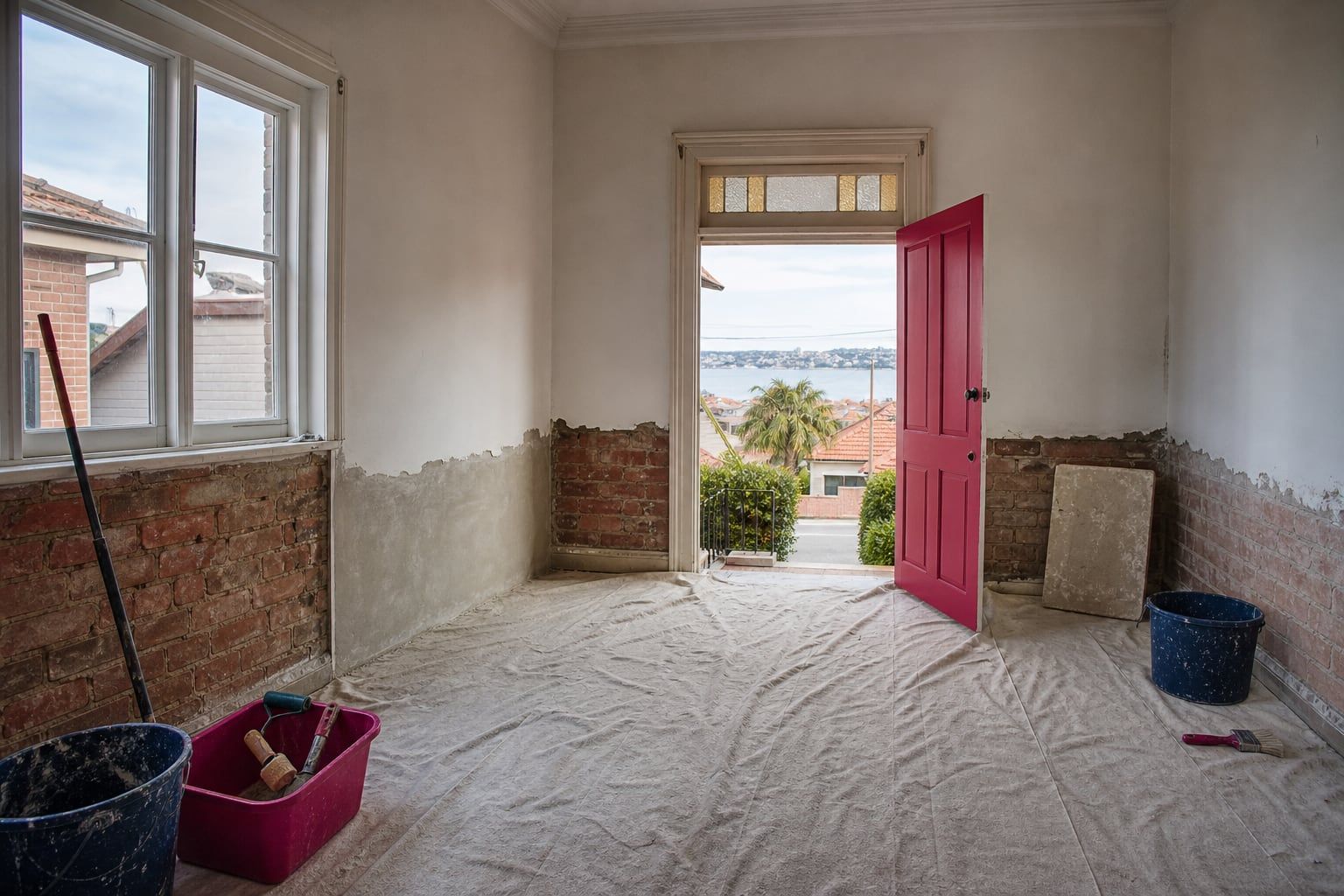
A new damp barrier injected into the mortar along the base of the wall, then the plaster made good.
A chemical damp course is the usual fix for St George brick walls with true rising damp. It creates a new water barrier inside the wall without removing any bricks. We drill into a single mortar joint along the base of the wall, inject a damp-proofing cream, and let it spread through the mortar to form a continuous band.
The houses it suits
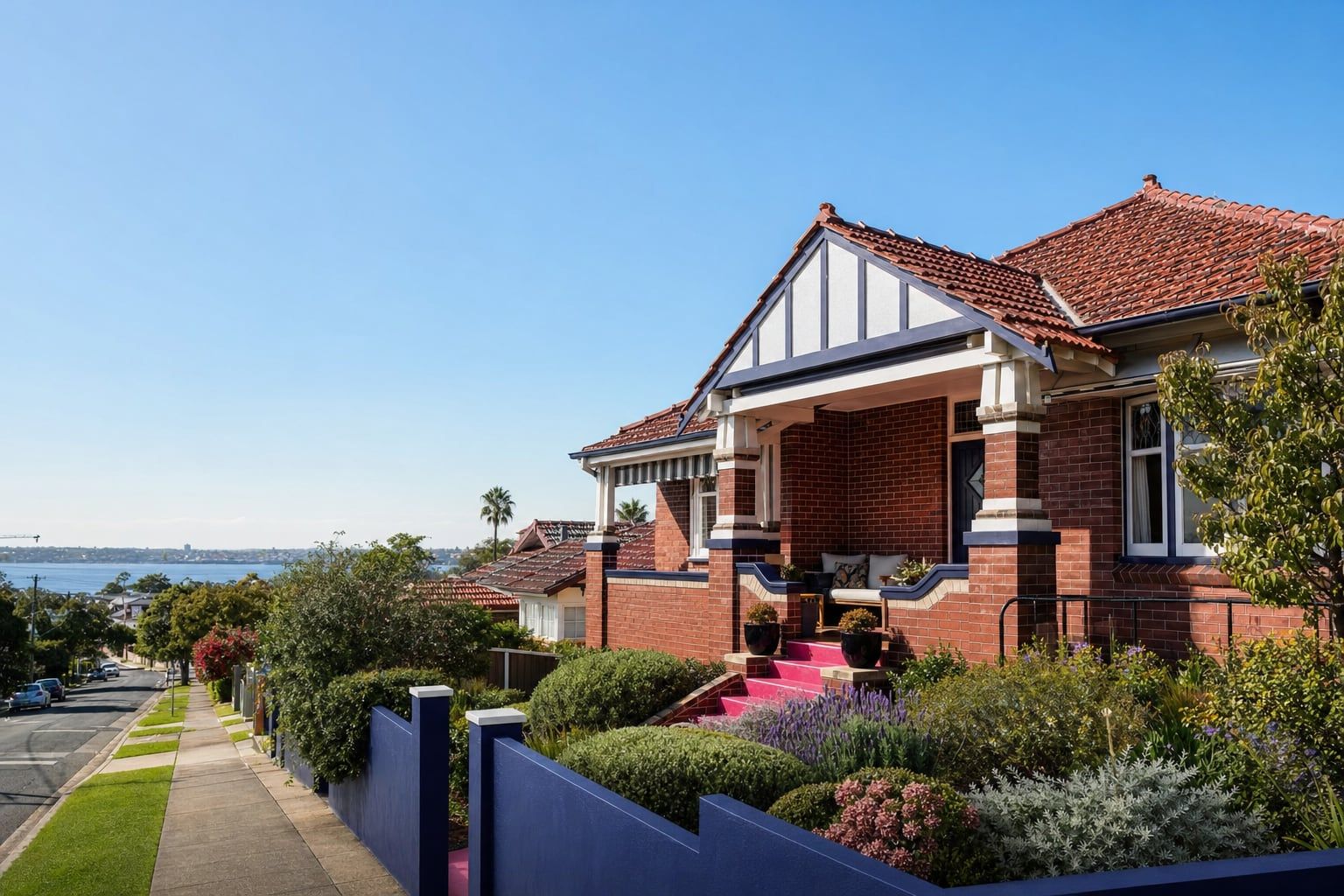
Injection suits solid and double brick walls with sound mortar. In St George, that means the Federation and inter-war bungalows of Kogarah, Carlton, Bexley, Rockdale and Hurstville, the double brick homes built across Penshurst, Mortdale and Kingsgrove before brick veneer took over, and many older walk-up flats near Brighton-Le-Sands and Kogarah.
It’s less useful in brick veneer. A veneer house has a single skin of brick outside and a timber frame inside, separated by a cavity, so damp in the outer brick rarely reaches the rooms. In those homes the problem is usually blocked weep holes or soil over the base of the wall. Our guide to damp in brick veneer homes explains the difference.
And where the base of the wall is sandstone or very soft early brick, a damp course membrane gives a more reliable barrier.
How it goes in
First we choose the joint. It needs to be continuous, below the floor inside and above the ground outside. On flat blocks near the bay that’s usually easy. On the sloping streets running down to the Georges River at Oatley, Connells Point and Blakehurst, ground levels change along the wall, so the line may step or be drilled from inside on one side.
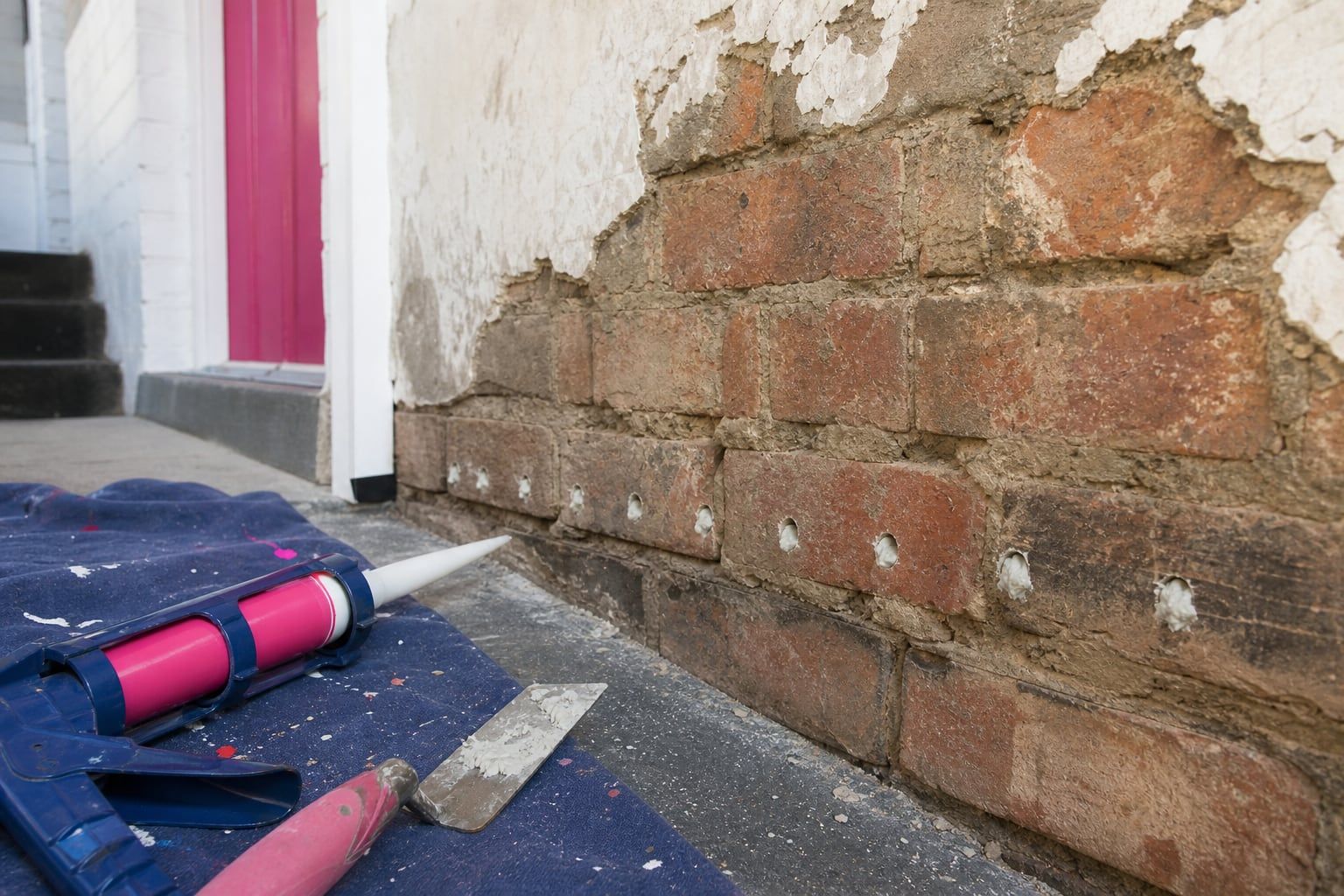
Holes are drilled into the joint at regular spacing. On double brick, they go deep enough to reach the inner skin, or both sides are treated. We also check the cavity, because mortar droppings at the bottom can bridge it and carry water across.
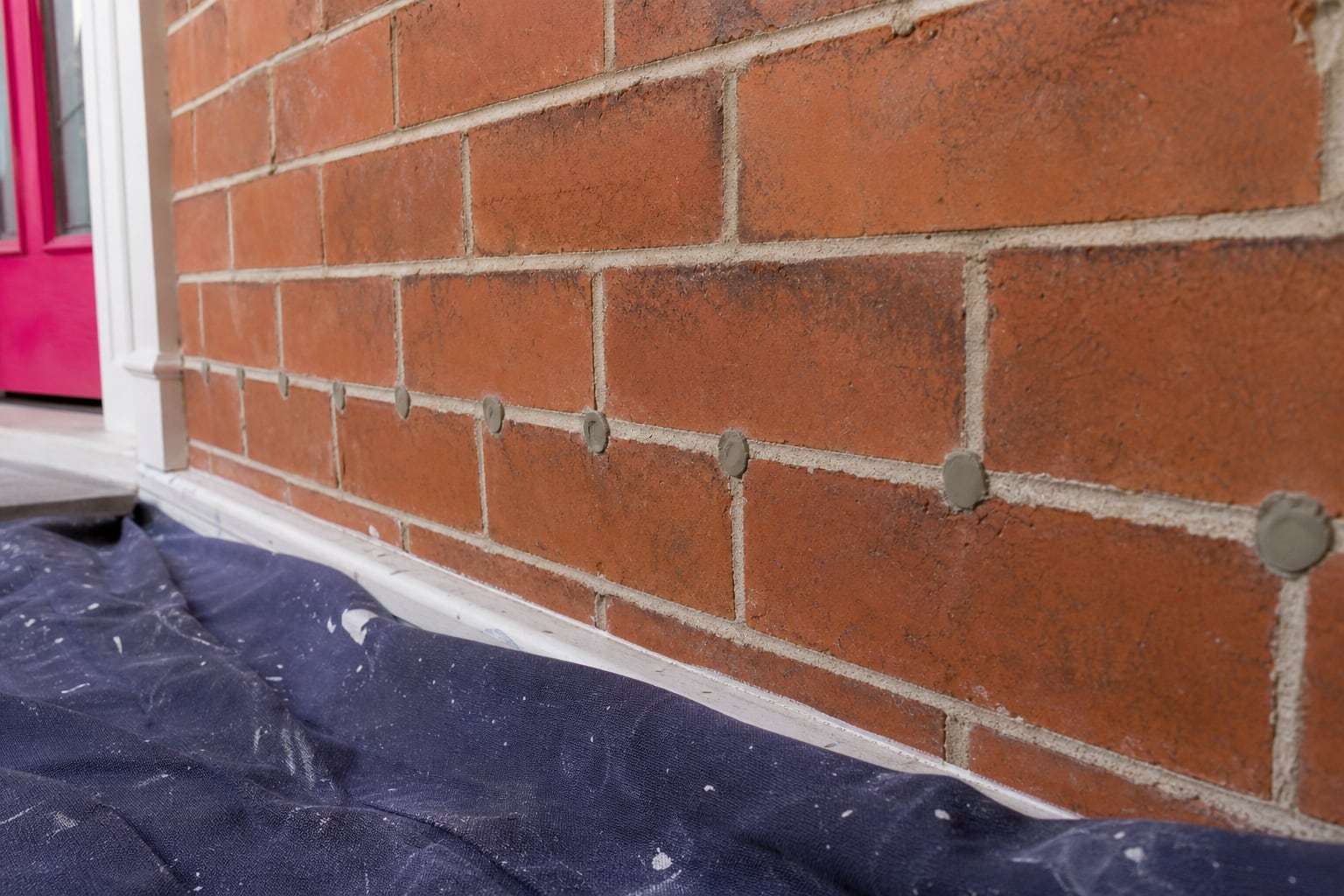
The cream is injected into each hole. Over the next few weeks it spreads through the mortar and cures into a water-repellent band. Holes are filled with mortar coloured to match.
What else needs doing
Lower the ground. If a garden bed, lawn or path sits above the new barrier, water just goes around it. Soil and paving need to come down below the line. Where they can’t, damp wall drainage may be needed.
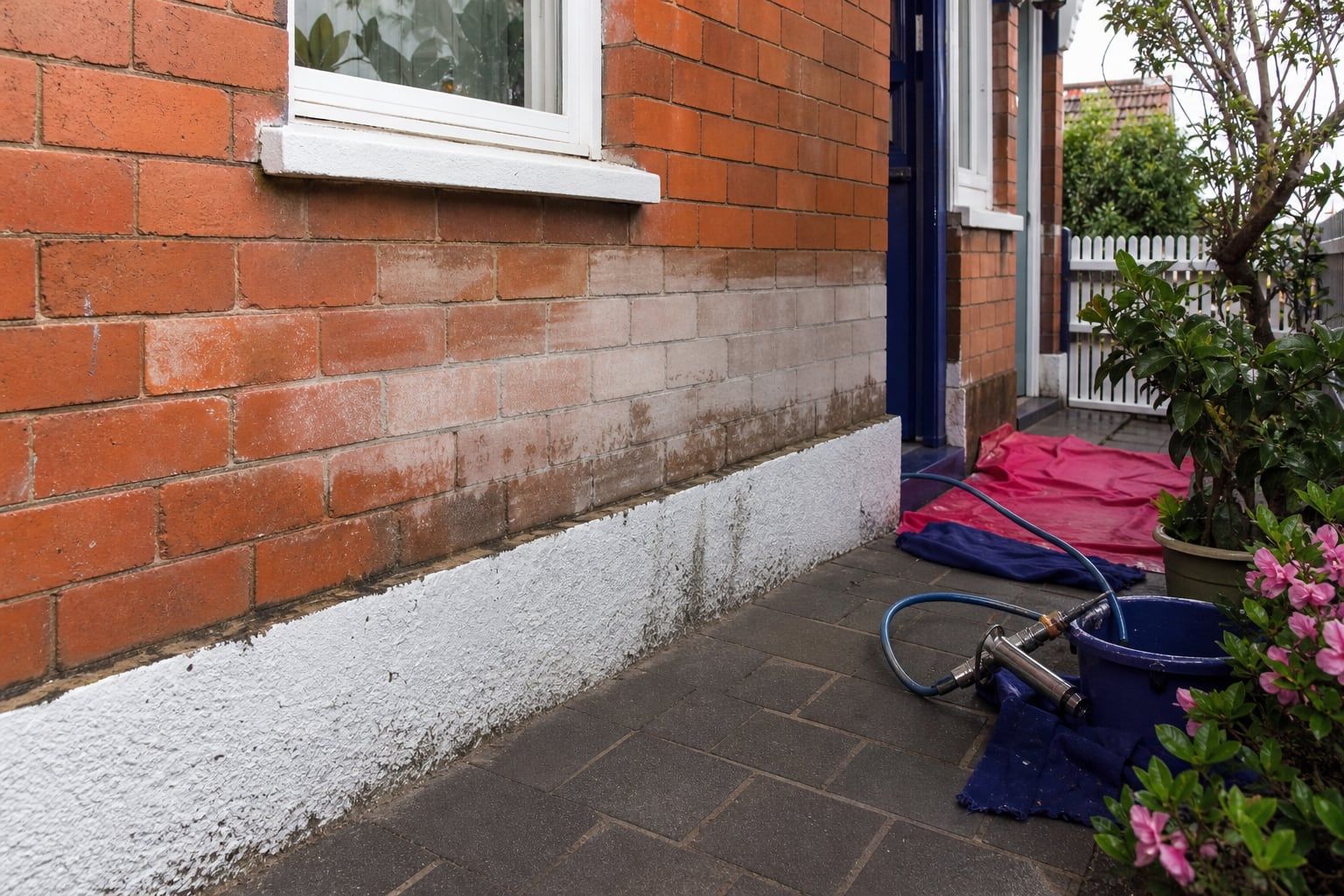
Replace the plaster. The wall above is still damp and salty, and the old plaster will keep failing. Every quote includes stripping it and applying a salt-resistant render once the wall has dried enough.
Check underneath. Houses with timber floors often have a damp subfloor feeding the base of the walls. Underfloor ventilation may be part of the fix.
Near the bay
Brick homes on the sandy, low ground around Brighton-Le-Sands, Ramsgate, Monterey and Sans Souci are among the most likely in St George to have true rising damp, because the water table is close to the surface. Our guide on rising damp near Botany Bay covers why.
Injection is usually one part of a wider rising damp treatment, and the written quote shows how it fits with everything else.
Updated
What good chemical damp course looks like
Chemical Damp Course across St George
Chemical Damp Course in St George: step by step
- Select the jointWe choose a continuous mortar bed below floor level inside and above the ground outside.
- DrillA row of holes is drilled into the joint, spaced and deep enough for the wall's thickness.
- InjectDamp-proofing cream goes into each hole and spreads through the mortar into a continuous band.
- Make goodWe fill the drill holes with colour-matched mortar, then re-render the salty sections after drying.
Chemical Damp Course guides for St George homeowners
Chemical Damp Course questions in St George
Something else on your mind? Call and ask.
Do you inject brick veneer walls?
Rarely. In brick veneer the inner wall is a timber frame, so rising damp in the outer brick seldom reaches the room. The fix there is usually clearing weep holes and lowering soil. Solid and double brick walls are where injection is most useful.
Will it work on red face brick?
Yes. We drill into the mortar joint, not the brick, and fill the holes with mortar matched to the existing colour, so the repair blends in.
Can rising damp come back after injection?
It can if soil, paving or render is later built up above the new barrier, because water then goes around it. We'll tell you where the course sits so it isn't bridged.